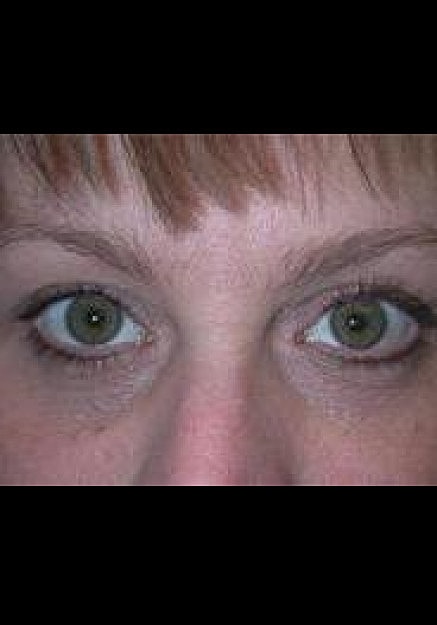
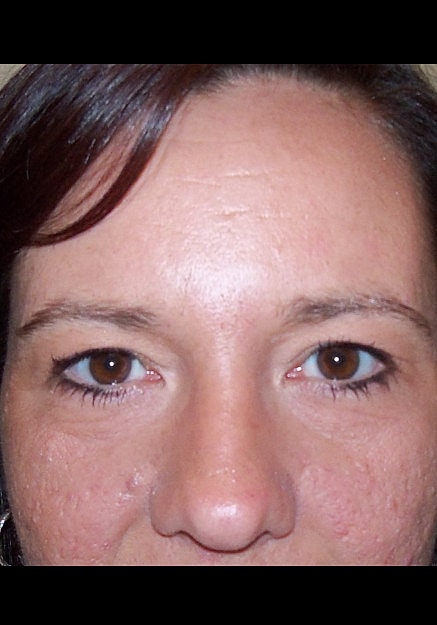
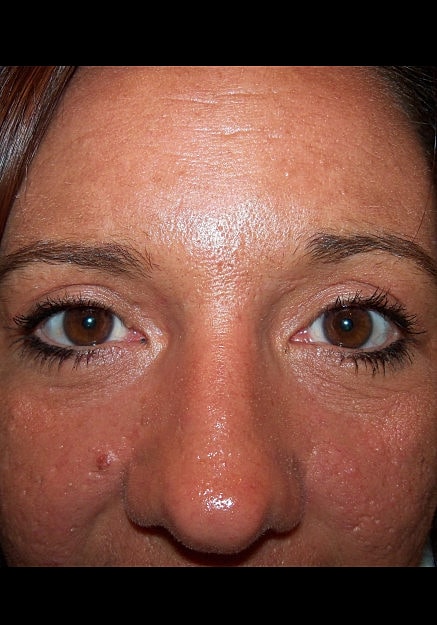
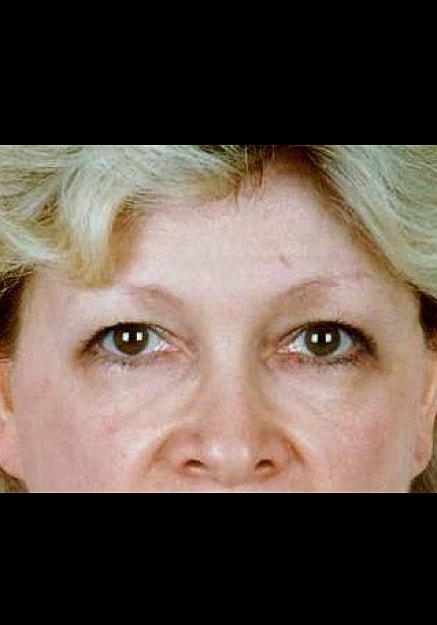
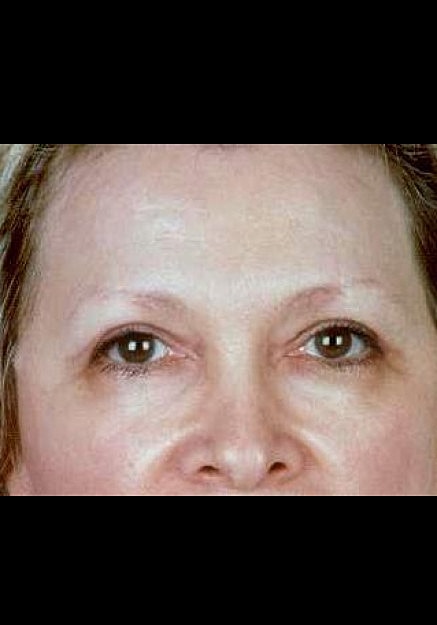
Blepharoplasty in Tampa


A Brighter Perspective
When sagging upper eyelids or puffy bags under the eyes make you look tired despite a full night’s sleep, blepharoplasty can restore the alert, refreshed appearance you remember. At Artisan Aesthetics Plastic Surgery in Tampa, board-certified plastic surgeon Dr. Stan Castor performs every eyelid surgery with a focus on subtle, natural-looking rejuvenation. From your first consultation through final follow-up, you work directly with Dr. Castor. This hands-on philosophy, combined with a staff patients describe as feeling like family, means your surgical experience centers entirely on your goals, comfort, and confidence.
1 of 15

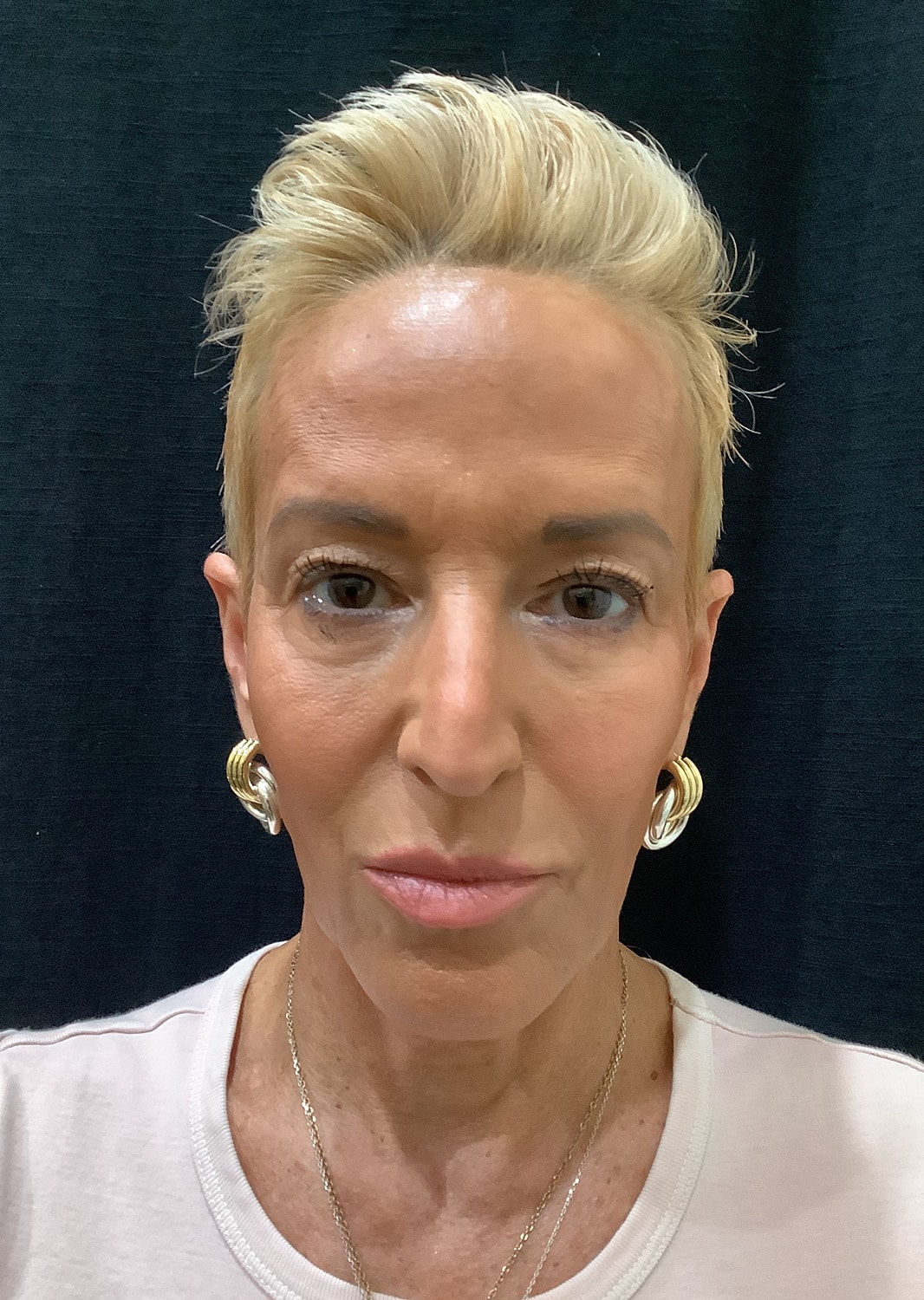
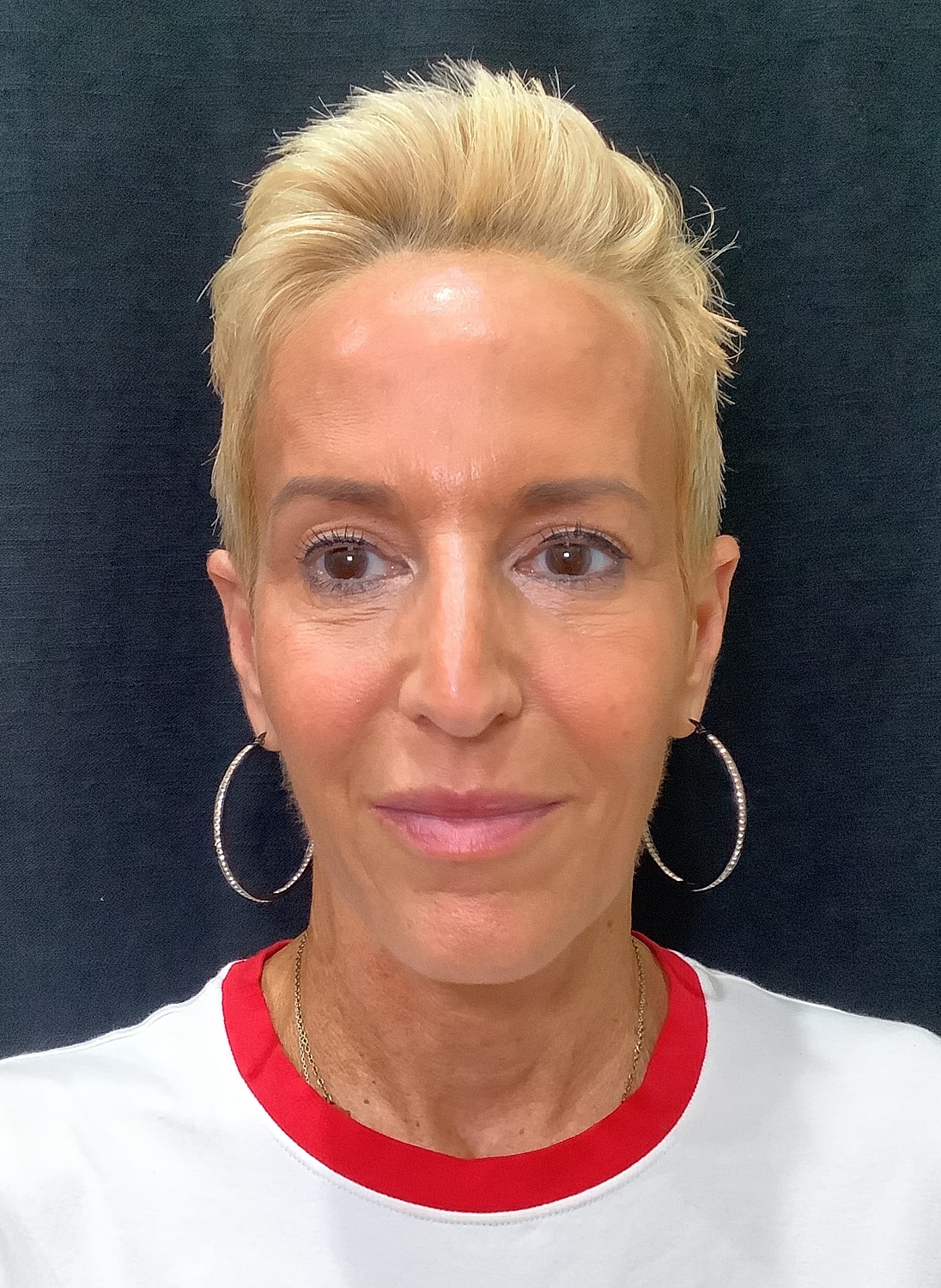
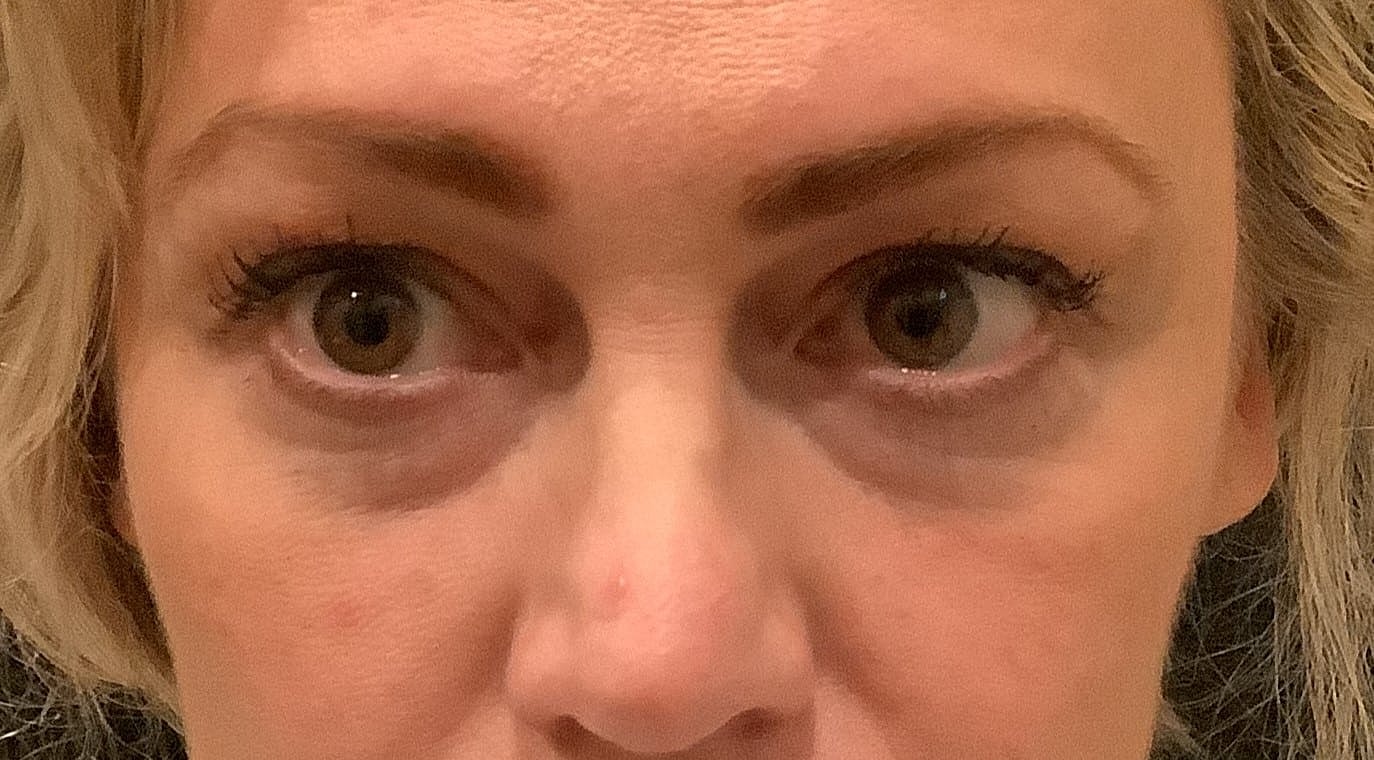
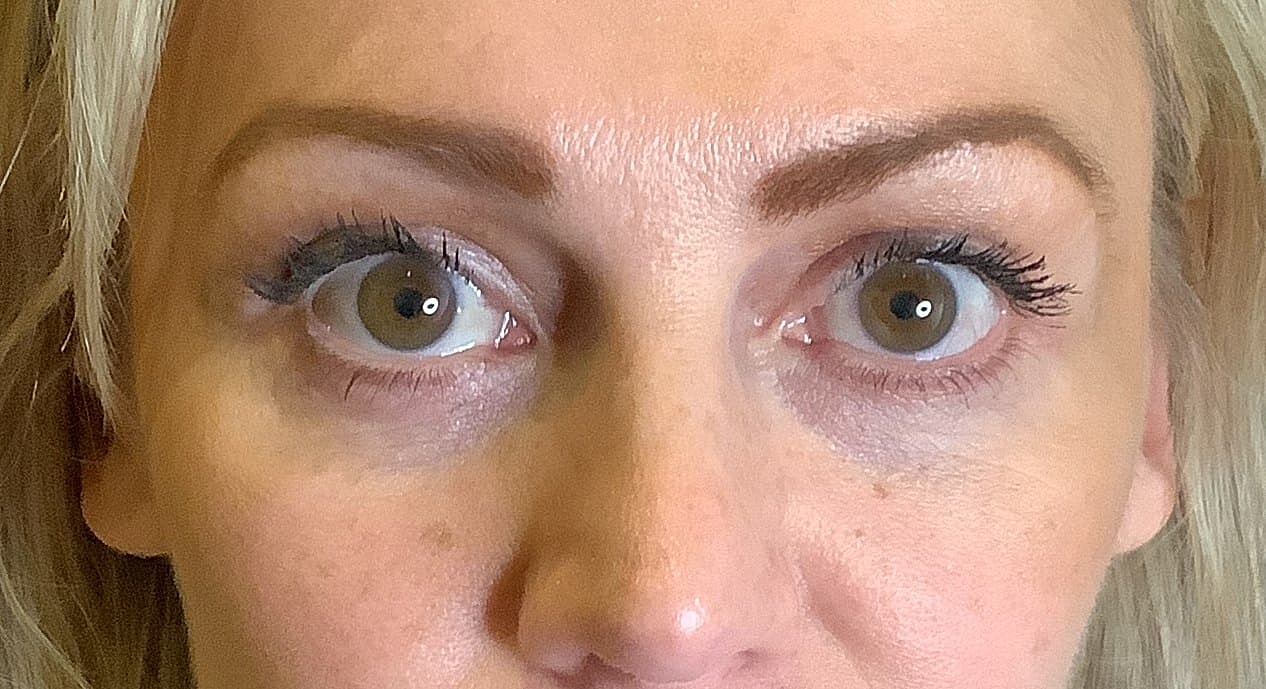
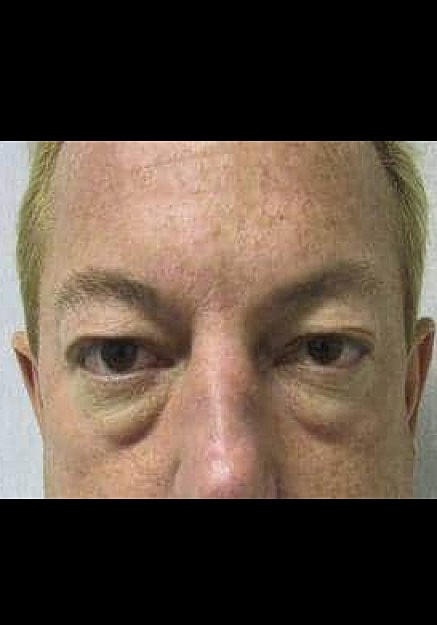
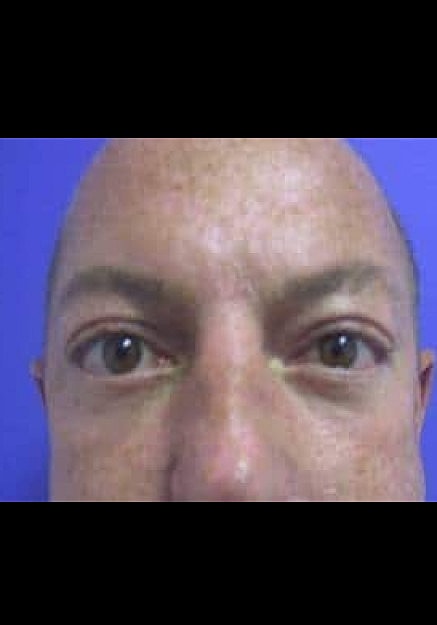
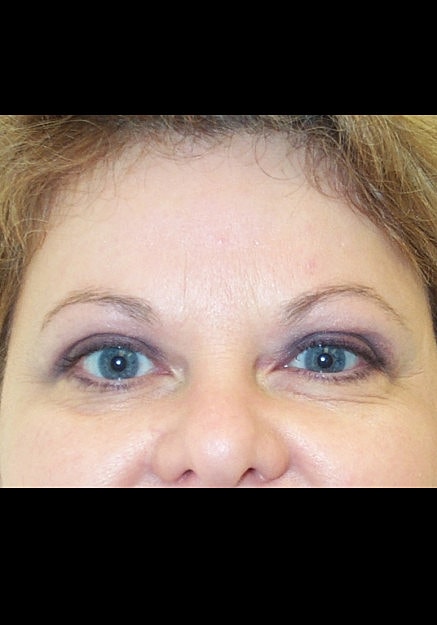
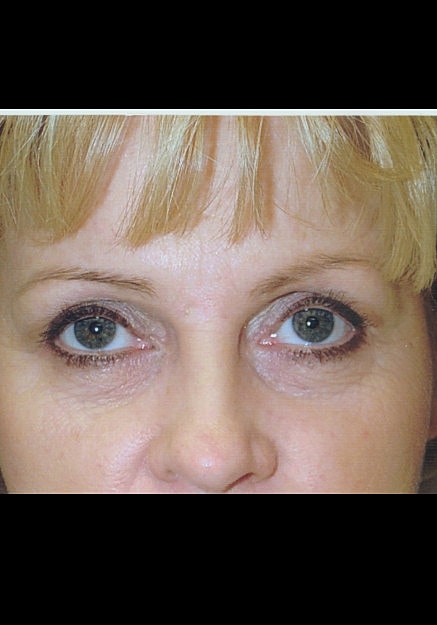
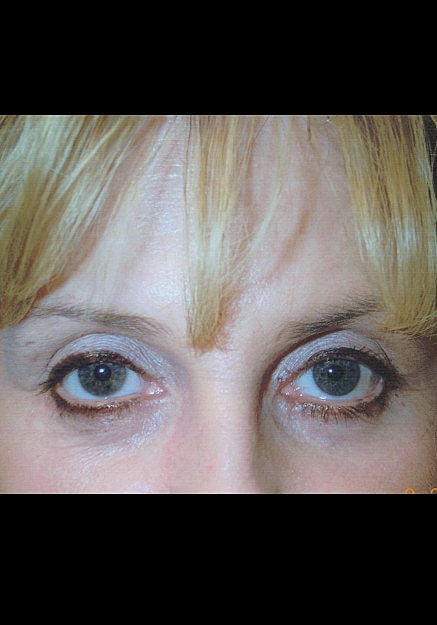
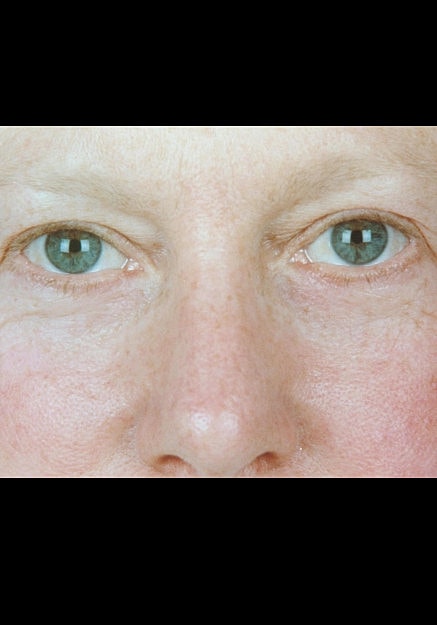
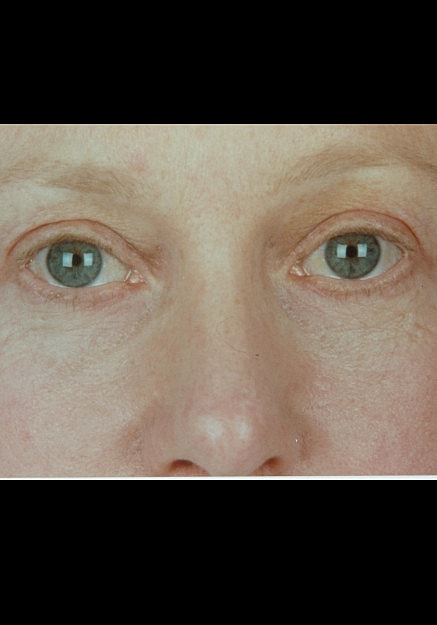
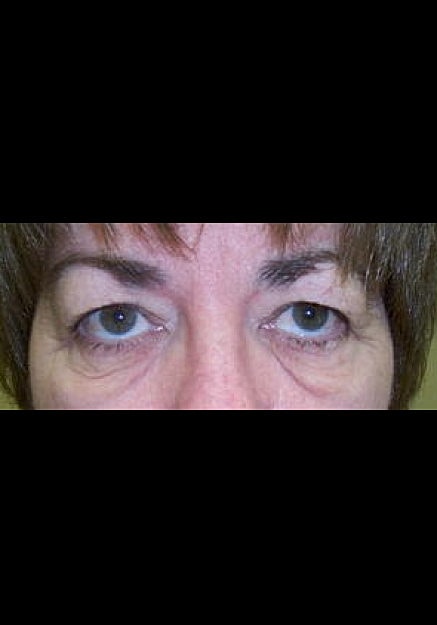
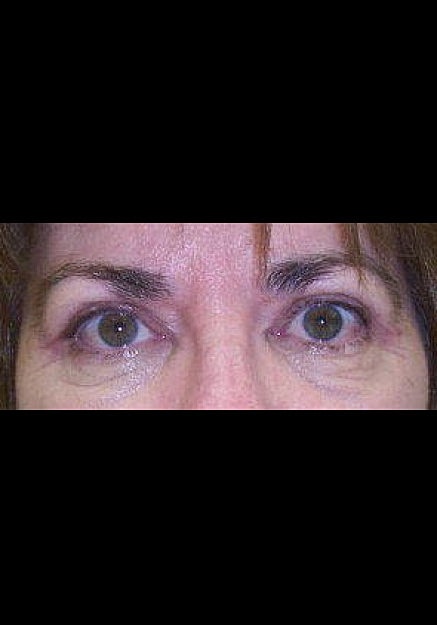
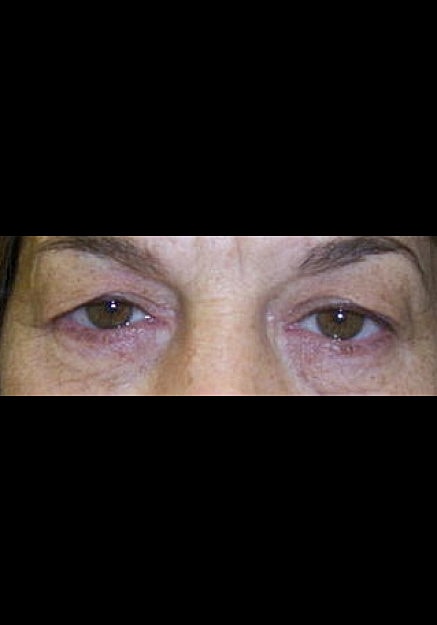
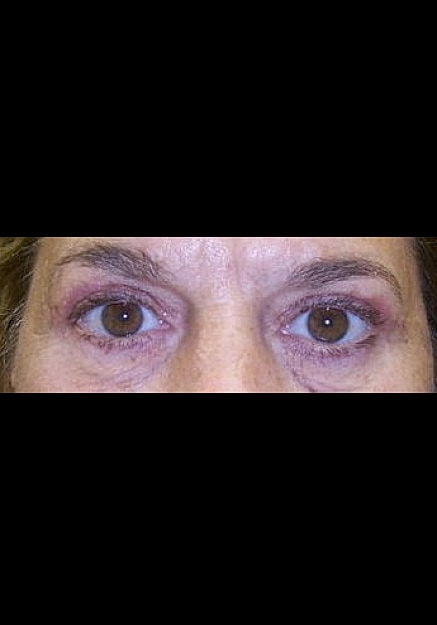
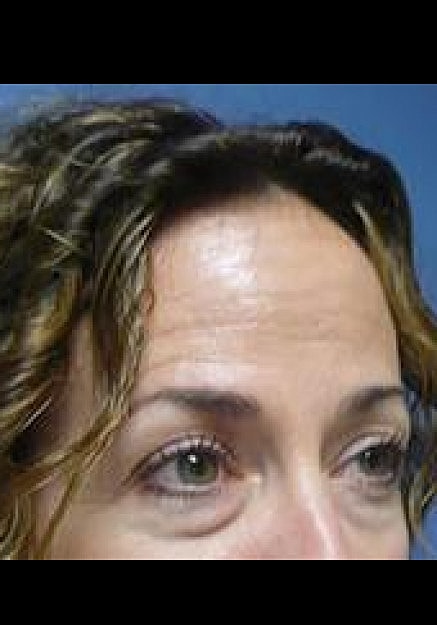
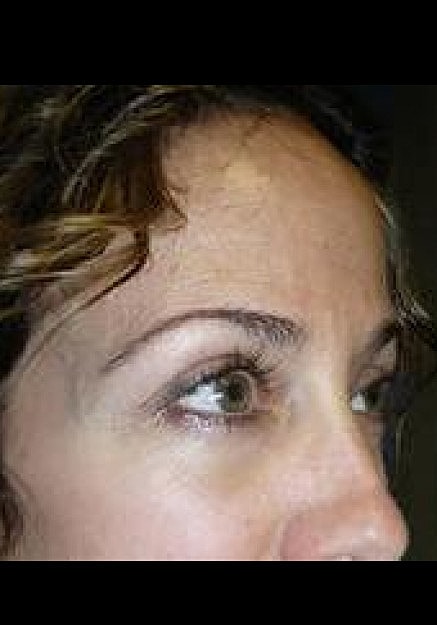
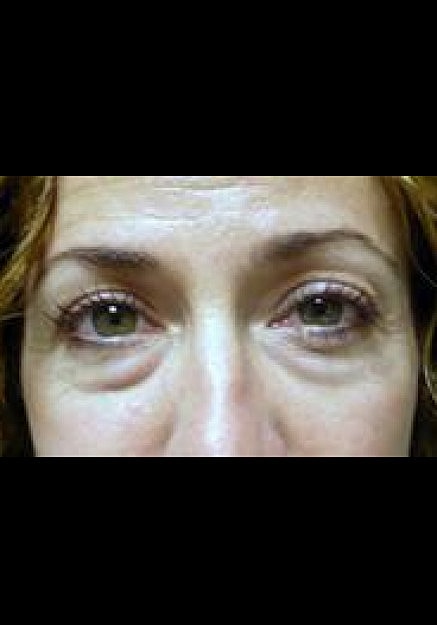
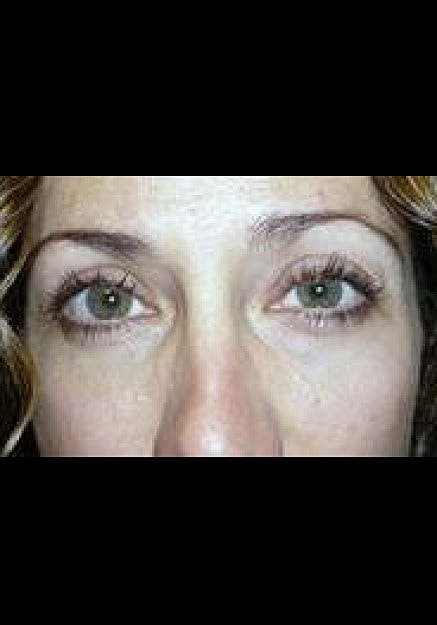
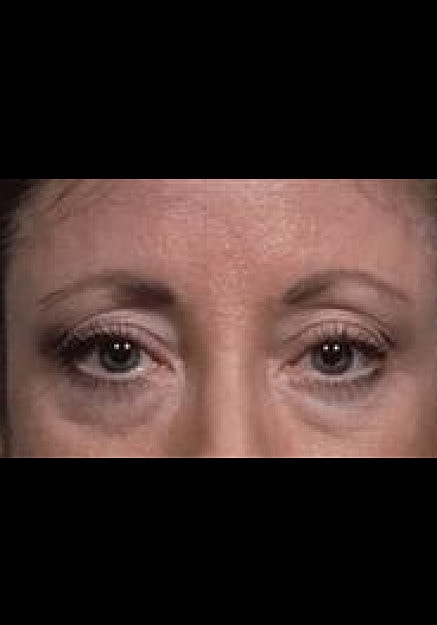
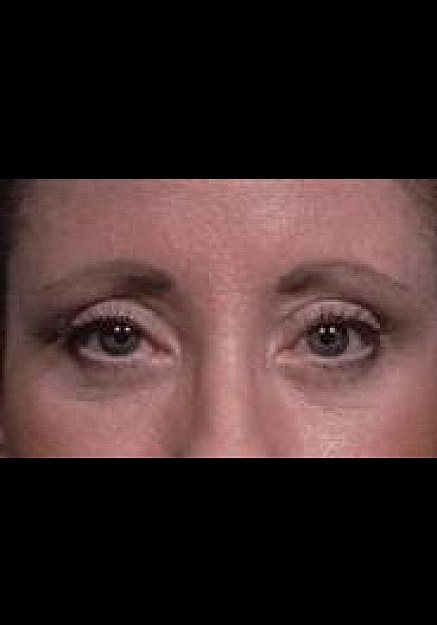
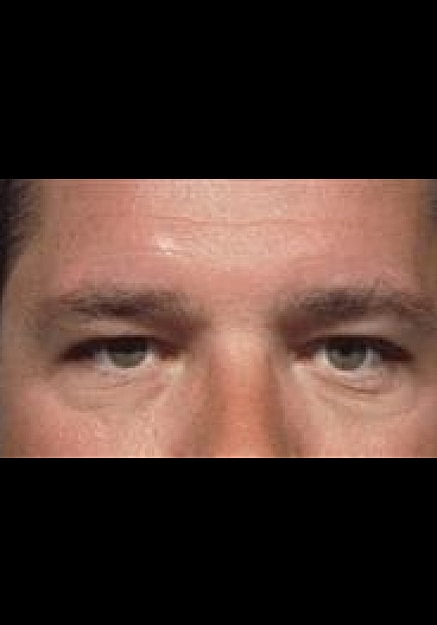
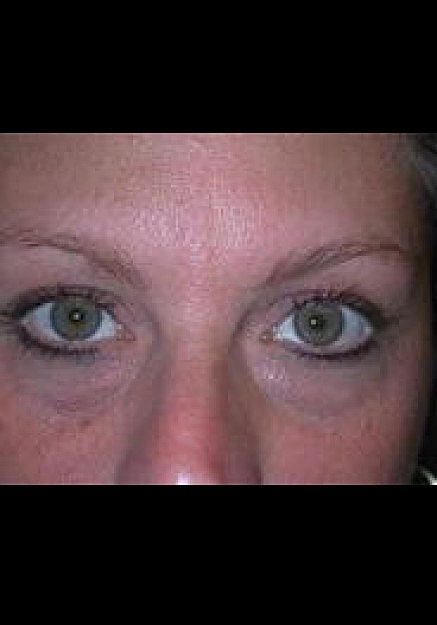
Removes hooding on upper lids and eliminates heavy bags beneath the eyes for a more alert, refreshed appearance.
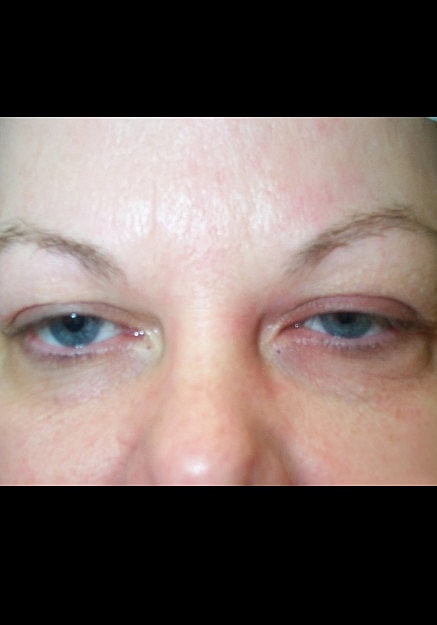
Improves peripheral vision for patients whose drooping upper eyelid skin obstructs their sight.
Incisions are strategically placed within the natural eyelid crease or inside the lower lid to ensure scars remain hidden.
Most patients return to work and social activities within 7–10 days, with minimal discomfort during recovery.
Blepharoplasty is a surgical procedure that removes excess skin, repositions or removes excess fat, and sometimes adjusts the underlying muscle to rejuvenate the upper or lower eyelids. The term originates from the Greek words for “eyelid” and “to mold,” reflecting the surgeon’s ability to reshape these delicate structures with precision.
Upper eyelid surgery addresses droopy eyelids and heavy eyelids caused by sagging skin that accumulates over time. The incision follows the natural crease of the upper lid, making any scar virtually invisible once healed.
Lower blepharoplasty targets puffy bags, dark circles, and fine wrinkles beneath the eyes. Depending on your anatomy, Dr. Castor may place the incision just below the lash line or inside the lower lid (transconjunctival approach) to avoid any visible scarring.
Beyond cosmetic concerns, blepharoplasty often serves a functional purpose. When excess eyelid skin droops far enough to impair vision or obstruct the visual field, eyelid surgery qualifies as reconstructive surgery. Visual field testing during your consultation helps determine whether drooping skin affects your peripheral vision.
Your blepharoplasty will take place in our on-site state-accredited surgical suite. This convenience allows you to avoid a hospital visit and the associated costs. The first step in eyelid surgery is administering anesthesia for your comfort. Dr. Castor will then make inconspicuous incisions on the upper lid, lower lid, or both. From there, he can remove or relocate fat, tighten the underlying muscle, and remove excess skin as needed.
Dr. Castor will close the incisions with sutures or a medical skin adhesive. Recovering from eyelid surgery is a relatively short and painless process. You will likely experience mild bruising and swelling, which should fade within a week or two. In addition, our medical team will give you detailed aftercare instructions to follow during this time, including which activities you should avoid.

The Patient-First Journey
Eyelid surgery is typically performed under local anesthesia with sedation. A local anesthetic is used to numb the eyelid area, while mild sedation keeps you relaxed and comfortable. General anesthesia is rarely necessary for blepharoplasty alone, though it may be considered if you combine procedures.
For upper lid blepharoplasty, Dr. Castor creates an incision along the natural crease of the upper eyelid. Through this opening, he removes excess skin, trims or repositions excess fat, and adjusts the underlying muscle if needed. The incision is closed with fine sutures that minimize scarring.
Lower blepharoplasty may involve an incision just below the lash line (transcutaneous approach) or inside the eyelid (transconjunctival approach). The transcutaneous method allows Dr. Castor to remove or tighten extra skin in addition to addressing puffy bags. The transconjunctival technique works well when the primary concern is fat herniation without significant skin laxity and leaves no external scar.
The entire surgical procedure typically takes one to two hours, depending on whether you address upper lids, lower lids, or both. After a brief observation period, you return home the same day with detailed aftercare instructions.

Addressing Signs of Fatigue and Aging
Blepharoplasty is the gold standard for correcting specific concerns around the eyes that topical creams and non-surgical treatments cannot reach:

Removes excess skin that hangs over the lashes, creating a heavy or aged appearance.
Addresses fat herniation (bags) that creates a chronically tired look regardless of rest.
Smooths wrinkled skin in the lower lids that often interferes with makeup application.
Corrects sagging skin that physically blocks the upper or outer corners of your vision.
Repositions fat in the lower lids to fill in dark hollows for a smoother transition to the cheek.
Rejuvenate Your Gaze
The eyes often show signs of aging before other parts of the face. Since the skin is thin and there is little underlying tissue to offer support, the eye area is particularly vulnerable to puffiness, wrinkles, and sagging. If you want to address these cosmetic concerns, eyelid surgery (blepharoplasty) may be the solution.
Upper and lower eyelid procedures have a reputation for offering a dramatic cosmetic improvement with minimal downtime. This type of facial plastic surgery can take years off your appearance, helping you look refreshed and vibrant. Learn more by scheduling a consultation with board-certified Tampa plastic surgeon Dr. Stan Castor.
A More Vibrant Outlook
Blepharoplasty is a popular procedure at our practice and across the country. It is the most effective and long-lasting way to improve eyelid appearance. Here are some of the long-term benefits that you may be able to expect from upper and lower eyelid procedures:
If you wear makeup, you know that it can accentuate aesthetic concerns around the eye area. Moreover, eye shadow and eyeliner can turn out patchy on crepey lids, and mascara can be difficult to apply when the surrounding skin is puffy. After eyelid surgery, you will likely find that your makeup applies more smoothly and looks better than it did before.
Suitability for Success
You may be ideal candidates for blepharoplasty if you:
If you want to tighten and lift the skin around your eyes for a more youthful look, eyelid surgery may be right for you. It may also be appropriate if you are experiencing severe upper eyelid sagging that impairs your field of view.
Dr. Castor will listen to your concerns and assess your facial anatomy to determine your candidacy. In some cases, insufficient forehead elasticity is the underlying cause of a drooping upper lid. To correct this concern and achieve the desired results, Dr. Castor may recommend having a brow lift. You can find out what is appropriate for your situation by arranging a consultation.

A Smooth Refresh
Recovery from blepharoplasty follows a predictable timeline, and Dr. Castor personally guides you through every stage.
Days 1–3: Swelling and bruising peak during this period. You may notice slight discomfort, tightness, or sensitivity around the incision sites. Cold compresses applied gently help reduce swelling. Keeping your head elevated, even while sleeping, minimizes fluid accumulation. Dr. Castor may prescribe antibiotic ointment to prevent infection and lubricating drops if you experience dry eyes.
Days 4–7: Swelling begins to subside. If non-dissolvable sutures were used, they are typically removed around day five to seven during a follow-up appointment with Dr. Castor. Light activities resume, though you should avoid bending over, heavy lifting, or strenuous exercise.
Week 2: Most visible bruising fades. Many patients feel comfortable returning to work and social activities. Makeup may be applied once incisions have healed sufficiently. Contact lens wearers typically wait about two weeks before resuming wear.
Weeks 3–4: Swelling continues to diminish. You can gradually resume exercise and normal routines. Scars begin to mature, often appearing pink initially before fading.
Months 2–3: Final contours emerge. Residual swelling resolves, and you see the true results of surgery. Scars continue to soften and blend with the natural crease.
Long-term (6–12 months): Soft tissue healing completes. Scars fade significantly, often becoming nearly imperceptible. Sun protection and quality skincare help maintain results.
Because Dr. Castor handles all aftercare personally, you never have to wonder who to call with questions. He is available 24/7 for his patients, ensuring any concerns receive prompt attention without being routed through intermediaries.
Upper blepharoplasty results typically last five to ten years. Lower eyelid rejuvenation often lasts longer, especially when modern techniques preserve or reposition fat rather than simply removing it. While aging continues naturally, many patients enjoy years of refreshed, youthful appearance before considering additional procedures.
Visible Vitality
The results of blepharoplasty are often described by patients as life-changing, as they finally see a reflection that matches their energy levels. While initial bruising and swelling are typical, the majority of visible healing occurs within the first two weeks, revealing a refreshed, alert gaze that looks entirely natural.
The results of eyelid surgery are remarkably long-lasting. Upper blepharoplasty typically provides a rejuvenated look for 5 to 10 years, while lower lid procedures often last even longer. By removing the specific fat and skin that contribute to a tired appearance, Dr. Castor provides a permanent structural improvement. You will find that you look years younger, and for those who previously struggled with vision obstruction, the world will literally appear brighter and clearer.
Surgeon-led Integrity
Dr. Stan Castor has been widely recognized for his exceptional surgical skill, but what distinguishes him as a surgeon extends beyond awards. He personally conducts every consultation, performs every surgery, and manages every follow-up. You are never handed off to a nurse practitioner or physician assistant for pre-operative or post-operative care. This continuity of care means Dr. Castor knows your anatomy, your goals, and your healing progress firsthand.
His private in-office surgery suite provides a controlled, comfortable environment, free of the chaos of hospital settings. Because Dr. Castor does not take emergency calls at area hospitals, he remains fully available to his own patients. Surgeries proceed on schedule. Questions receive timely answers. Care remains organized around you.
Patients consistently describe the Artisan Aesthetics team as the friendliest staff they have encountered. That warmth is intentional. Dr. Castor and his team treat every patient like family, taking time to listen carefully and never rushing through decisions or procedures.
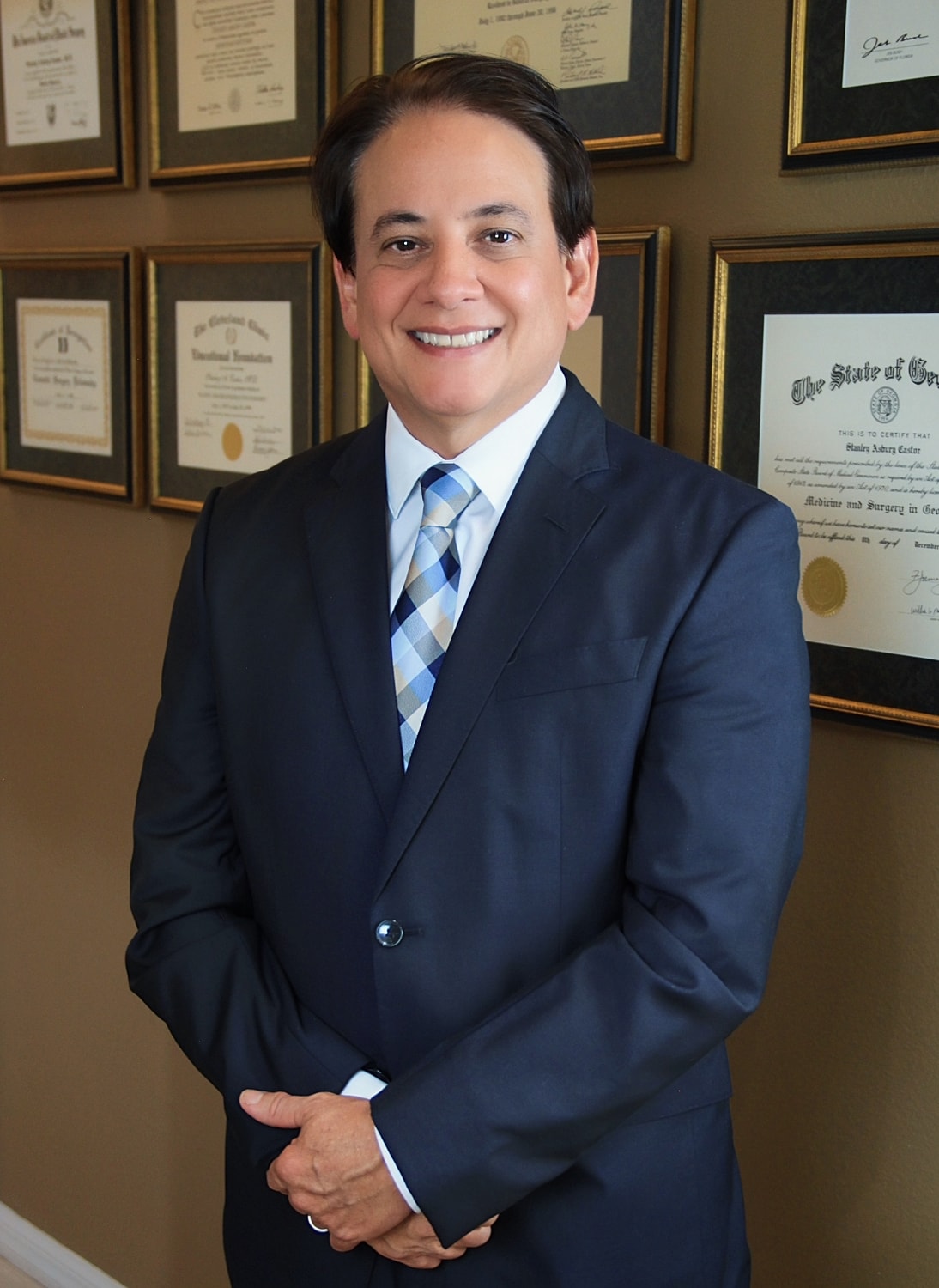
At our practice in Tampa Blepharoplasty may be an excellent option for rejuvenating your appearance. Find out if it is right for you by scheduling a consultation with Dr. Castor today. Call our office at (813) 971-2000 or submit the online form. Artisan Aesthetics Plastic Surgery: Dr. Stan Castor, MD, provides services to Tampa Bay, along with other nearby regions in Florida.
Most patients describe slight discomfort rather than significant pain. Swelling and tightness are more noticeable than sharp sensations. Over-the-counter pain medication or a mild prescription typically manages any discomfort during the first few days.
Upper eyelid surgery results generally last five to ten years. Lower blepharoplasty often produces even longer-lasting improvement, especially with fat-preserving techniques. Aging continues naturally, but you enjoy years of refreshed appearance before additional treatment becomes necessary.
Blepharoplasty carries a low overall risk when performed by an experienced plastic surgeon. Possible complications include temporary dry eyes, minor asymmetry, visible scarring, or difficulty fully closing the eyelids. Serious complications, such as infection or vision changes, are rare. Dr. Castor discusses all risks during your consultation and takes every precaution to minimize them.
Most patients return to light activities and desk work within seven to ten days. Visible swelling and bruising typically fade within about two weeks. Strenuous exercise and heavy lifting should be avoided for three to four weeks. Full healing takes several months, though you look presentable much sooner.
Yes. Blepharoplasty pairs well with a brow lift, facelift, or skin resurfacing for comprehensive facial rejuvenation. Combining procedures can address multiple concerns during a single recovery period. Dr. Castor evaluates your anatomy and goals to recommend whether combining treatments makes sense for you.