Gynecomastia Surgery in Tampa


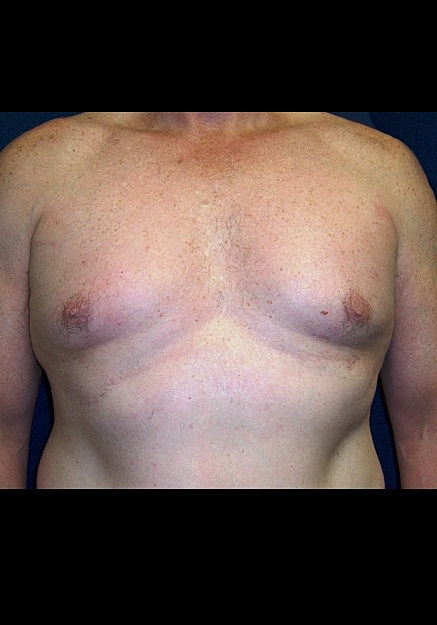
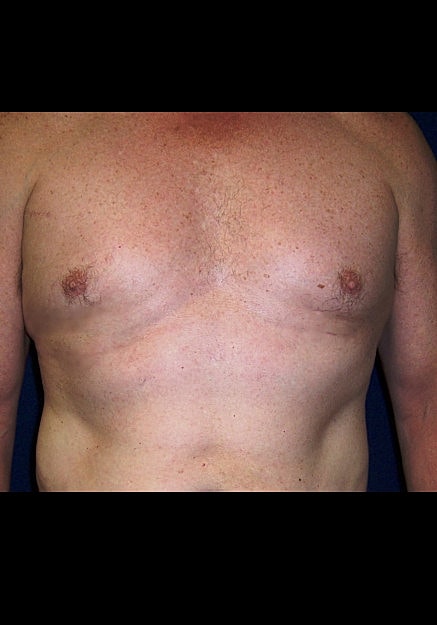
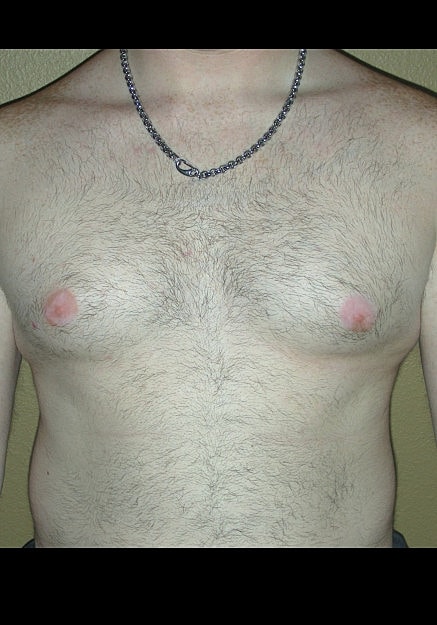
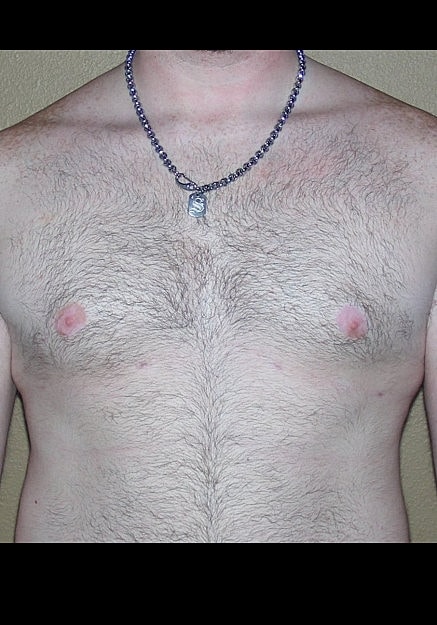
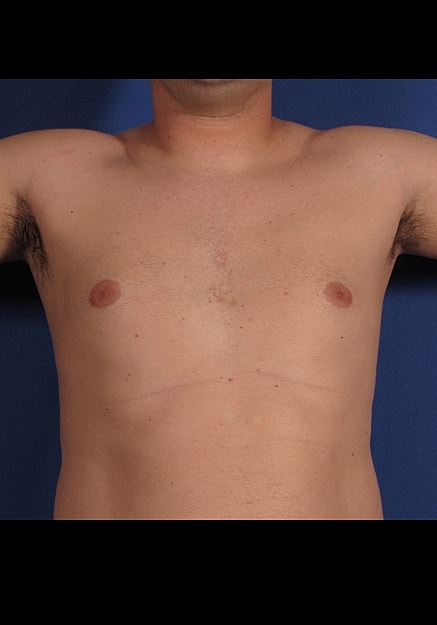
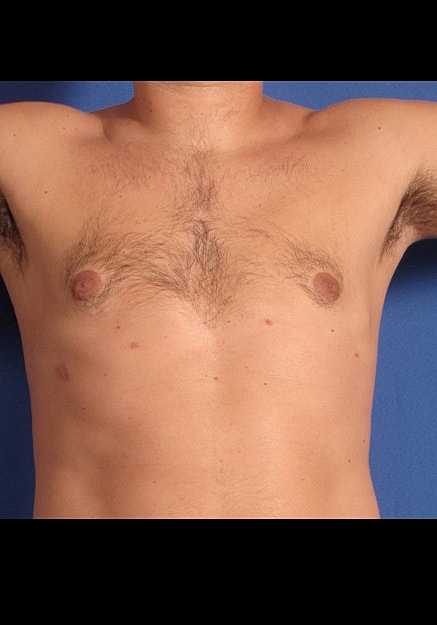
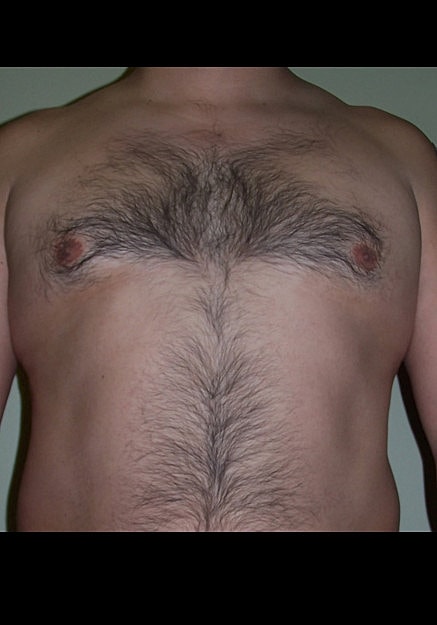
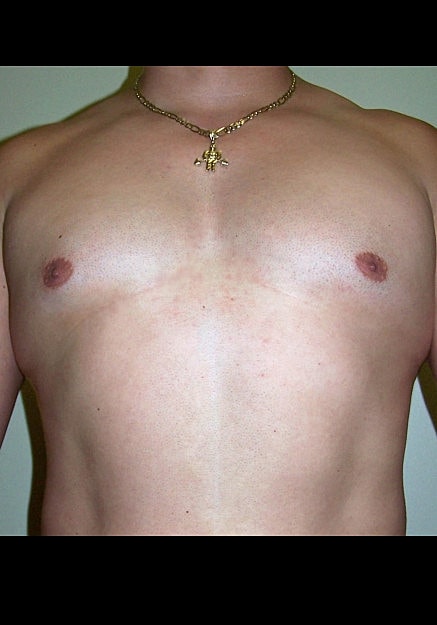
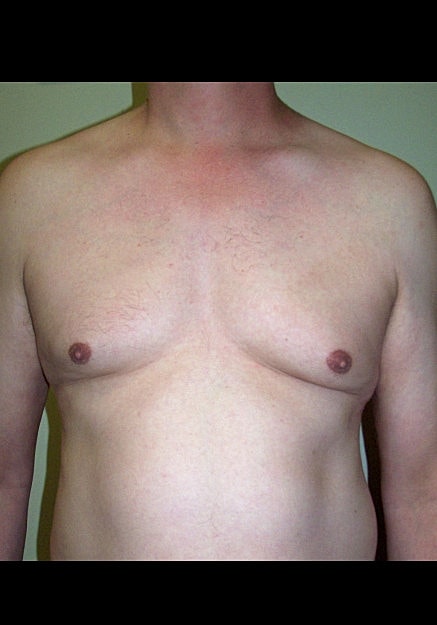
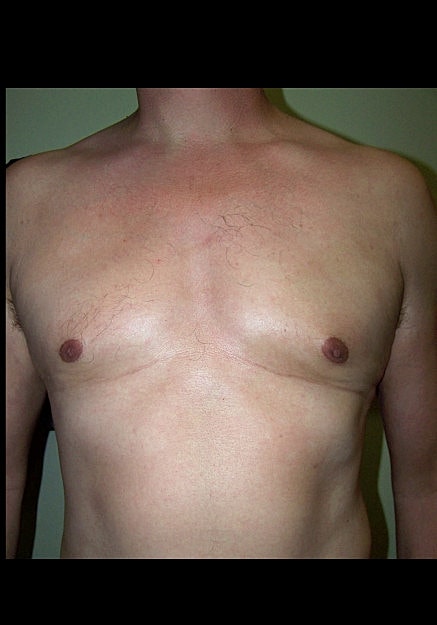
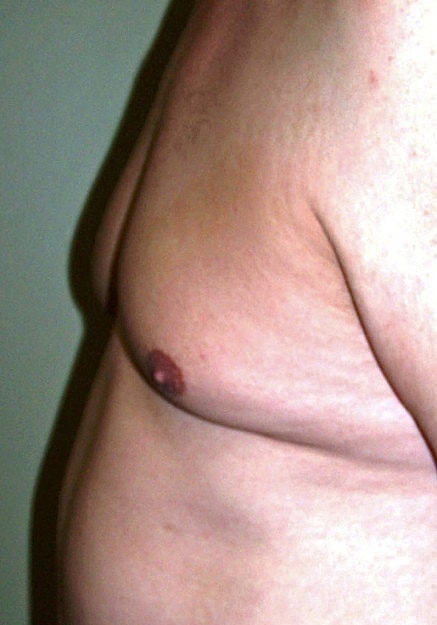
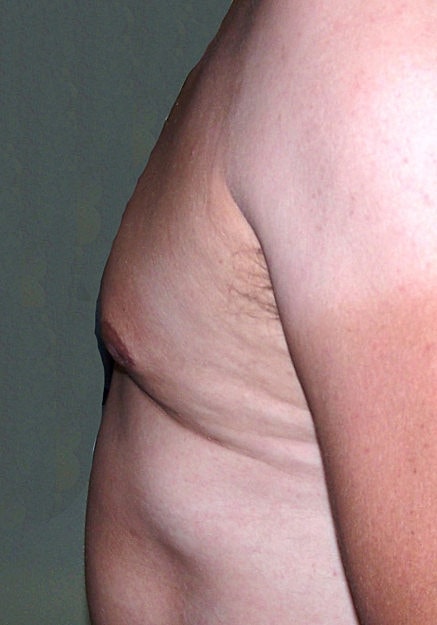
A More Athletic Profile
Dealing with enlarged breast tissue can be physically uncomfortable and emotionally taxing. Patients choose Artisan Aesthetics because Dr. Stan Castor provides a judgment-free, boutique environment where surgical precision meets empathetic care. By performing the procedure in his private, accredited surgical suite, Dr. Castor offers a discreet experience that prioritizes your safety and delivers a sculpted, naturally masculine chest contour.
Dr. Stan Castor understands that for many men, seeking help for gynecomastia can feel intimidating. At Artisan Aesthetics, we treat you with the respect and discretion you deserve. Dr. Castor’s 20+ years of experience ensures a result that looks natural. By choosing a surgeon-led practice where you see Dr. Castor at every visit, you are ensuring the highest level of clinical integrity and personalized attention in Tampa.
1 of 8

Combines liposuction and tissue excision to address both fatty deposits and firm glandular tissue.
Incisions are strategically placed along the edge of the areola or within natural chest creases to ensure they are discreet.
Most men return to work within 1 week, with a gradual return to gym activities after 4–6 weeks.
Once the excess glandular tissue is removed, the results are permanent as long as a stable weight is maintained.
Restoring Masculine Confidence
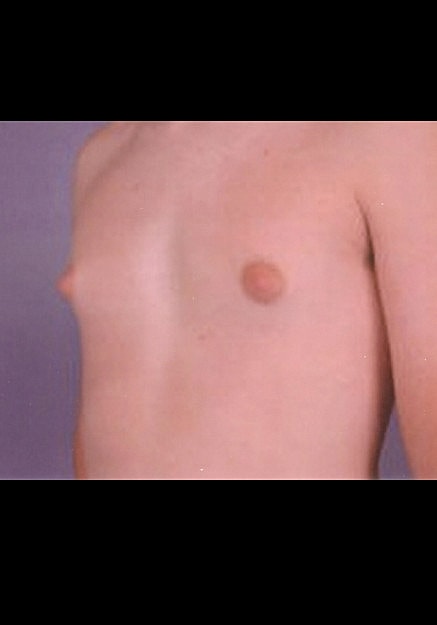
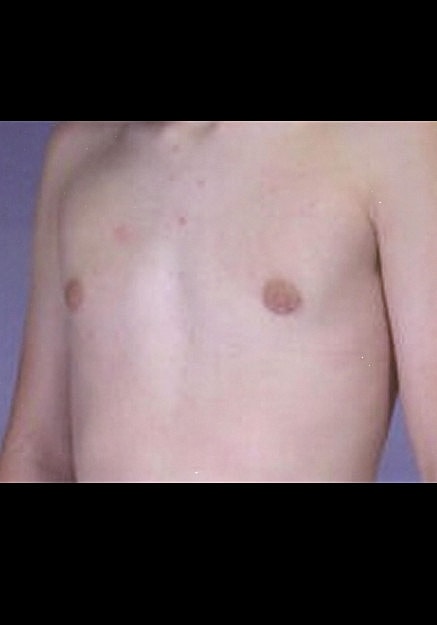
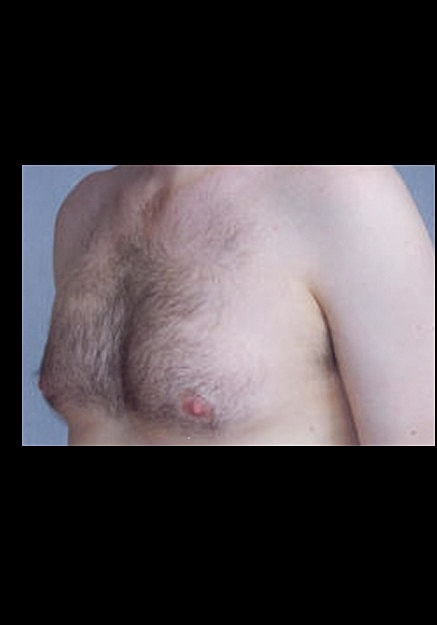
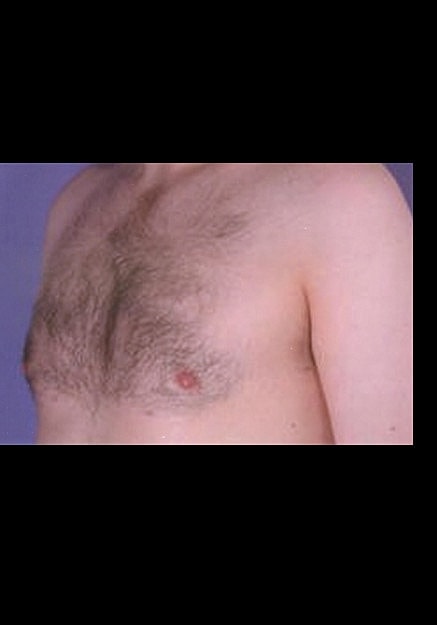
Gynecomastia is a condition characterized by enlarged or overdeveloped breasts in men. It can affect one or both breasts, sometimes creating asymmetry. It commonly develops around puberty, though it can occur at any age.
Gynecomastia is generally not a significant health concern. However, coping with the condition can be difficult. Additionally, it can cause embarrassment and hurt your self-confidence.
There are several causes of gynecomastia, including:
In some cases, the condition can go away on its own. However, many men find that it is a persistent problem. Unfortunately, it often takes more than a healthy lifestyle to reverse the unwanted aesthetic effects of gynecomastia. Therefore, if you struggle with excessive breast tissue despite eating well and exercising, plastic surgery may be the next step.

Expert Male Breast Reduction
Male breast reduction procedures are performed at our accredited office surgical suite. Undergoing surgery in this space eliminates the cost and hassle associated with a hospital setting. Our state-of-the-art facility is a safe and comfortable location for your procedure.
Male breast reduction can involve several different techniques. Your procedure will be tailored to your unique physical characteristics. If excessive fatty tissue is the primary cause of your enlarged breasts, liposuction alone may be appropriate. Liposuction is a time-tested way to eliminate excess fat. Dr. Castor offers several alternatives to traditional liposuction, including:
These types of liposuction use sound waves and laser light to emulsify or melt the fat away. In situations where excess glandular breast tissue is a concern, excision is generally the solution. Moreover, this approach involves surgically removing the excess tissue.
Excision is also used to correct excess skin and to reduce or reposition the areola. However, in some cases, gynecomastia is treated using a combination of liposuction and excision. Nevertheless, during your consultation, Dr. Castor will determine what approach you may benefit from.

Solving Contour Issues
Gynecomastia Surgery is the gold standard for correcting specific concerns that cannot be resolved through exercise alone:

Removes firm tissue located directly behind the nipple that does not respond to weight loss.
Eliminates localized fat in the chest area (pseudogynecomastia) for a leaner look.
Balances the chest when one side is noticeably larger than the other.
Corrects the "puffy" appearance of the nipples caused by underlying glandular pressure.
Addresses skin laxity that may occur following significant weight loss or aging.
Confidence and Comfort
The primary benefit of gynecomastic surgery is the restoration of self-assurance. For many men, the emotional relief of finally feeling comfortable in a t-shirt or without one at all is life-changing.
Beyond the mirror, this procedure eliminates the physical discomfort associated with heavy tissue or chafing. It allows a greater range of motion during exercise and sports, encouraging a more active, healthy lifestyle without the embarrassment of chest movement.
Freedom from Gynecomastia
Gynecomastia surgery may be right for you if enlarged male breast tissue is affecting your daily life, or you may feel the need to hide your condition. This self-consciousness can cause you to avoid certain activities, like going to the pool or gym, as well as intimacy. Most men in good health who struggle with gynecomastia are ideal candidates for male breast reduction surgery.
Good candidates:
Another key point: before pursuing surgery, it’s important to meet with your doctor to ensure your condition isn't due to underlying health issues or medications. Treating the health issue or discontinuing the medication may significantly reduce the size of your breasts without surgical intervention. Arranging a confidential consultation with Dr. Castor is the best way to learn if male breast reduction is appropriate for your situation. During your visit, he will evaluate your chest, listen to your goals, and recommend a customized treatment plan.

Restorative Aftercare
Recovery from gynecomastia surgery is generally straightforward. Because Dr. Castor personally handles all aftercare, you will have a clear roadmap for your healing journey.
You will wear a specialized compression vest for several weeks. This garment reduces swelling and helps the skin adhere to the new, flatter chest contours.
Most patients report mild soreness rather than sharp pain. Dr. Castor provides a personalized pain management plan to keep you comfortable during the first 3–5 days.
While you can resume light walking immediately, avoid heavy lifting and "chest day" at the gym for at least 4–6 weeks to support the healing process.
A Transformation Built to Last
The results of gynecomastia surgery are visible immediately after surgery, though final contours will emerge as swelling resolves over 3 to 6 months. You will find that your chest appears flatter, firmer, and more athletic, significantly improving the fit of your clothing. These results are permanent. Once the glandular tissue is surgically removed, it does not grow back. By maintaining a healthy lifestyle and a stable weight, you can enjoy your new, masculine profile for a lifetime.
Tampa Men Trust Artisan Aesthetics
Enlarged male breast tissue is more common than you may think. Approximately 40-60% of men in the United States deal with a condition known as gynecomastia. Gynecomastia can affect your daily life, potentially causing embarrassment and emotional distress. Thankfully, there is a solution. At Artisan Aesthetics Plastic Surgery, we perform male breast reduction surgery in Tampa for patients suffering from gynecomastia. Additionally, this procedure reduces the size of your breasts to give you a more masculine appearance.
For many individuals in Tampa gynecomastia surgery improves their confidence and changes their lives after they visit us. Board-certified plastic surgeon Dr. Stan Castor has been performing male breast reduction surgery for over two decades. He is empathetic to this issue and is committed to helping you find a solution. Inquire further to discuss your options for achieving a flatter, more contoured chest.

Male breast reduction surgery has the power to transform lives and boost confidence. It may be the solution to your enlarged male breast tissue. Call (813) 971-2000 to schedule your complimentary consultation for gynecomastia surgery with Dr. Castor, proudly welcoming patients from Tampa Bay and the surrounding areas of Florida.
Dr. Castor is meticulous with incision placement. Most incisions are hidden along the bottom edge of the areola (where the dark skin meets the light skin) or in the armpit, making them very difficult to see once fully healed.
The procedure typically takes 1.5 to 2.5 hours, depending on whether liposuction, excision, or a combination of both is required.
Gynecomastia is a condition in males where the breast tissue is enlarged. Furthermore, this usually occurs in newborns, teenagers, and adults. As a matter of fact, gynecomastia is the most common disorder because it affects about 50 to 65 percent of young boys and men. Aside from puberty, there are other causes of gynecomastia.
The causes include:
In most cases, pubertal gynecomastia can disappear on its own. However, about 20 percent of males have the condition persist into adulthood. There are also rare cases where the condition is extremely painful. Surgeons treat gynecomastia through a variety of methods. But the one you need depends on the condition's complexity.
In most situations, surgery is not required. Instead, your doctor may recommend undergoing hormone therapy. Should surgery be necessary, you will either need to have a mastectomy or liposuction performed.
Gynecomastia surgery is generally safe, and people who receive this operation have a smooth recovery period. However, no operation is without risk or complications. Gynecomastia comes with the standard complications, such as bruising, bleeding, and potential fluid buildup. Other risks and complications are rare but may include:
If you experience any of these complications, seek medical attention immediately.
While gynecomastia is a hormone-related condition, there are a few ways you can prevent it from occurring. One method is to avoid drinking alcohol since alcohol contains two substances that impact hormone regulation: ethanol and phytoestrogens. Ethanol can disrupt the natural production of testosterone. At the same time, phytoestrogens significantly increase the production of estrogen, exacerbating the condition.
Heavy use of marijuana can cause gynecomastia, and also cause gynecomastia to occur even after having surgery. Additionally, anabolic steroids used for increasing muscle mass in athletes and bodybuilders can interfere with testosterone and estrogen production, causing gynecomastia. Finally, certain medications, such as those used to treat hair loss and prostate problems, can cause gynecomastia.