Otoplasty in Tampa


Expert Ear Correction
Aesthetic ear issues can damage self-esteem. Otoplasty improves the harmony between the ears and other facial features, significantly enhancing your overall appearance. Surgeons often perform the surgery on young children who experience hardships such as bullying or emotional distress due to protruding or large ears. Otoplasty is also popular with adults looking to improve the appearance of their ears.
At Artisan Aesthetics Plastic Surgery, Dr. Stan Castor offers expert otoplasty with a compassionate touch. We focus on understanding your unique needs to create natural-looking results that enhance confidence. Our practice stands out for its patient-centered approach, ensuring a comfortable and supportive experience from consultation to recovery. With meticulous attention to detail, Dr. Castor uses the latest techniques in ear surgery to achieve balanced, harmonious outcomes that align with your aesthetic goals. Trust us for precision and care that make a difference.
1 of 3

Permanently addresses protruding, large, or misshapen ears by reshaping the underlying cartilage.
Incisions are meticulously placed behind the ear or within natural folds to ensure they are virtually invisible.
Performed in our accredited, in-office surgical suite under the direct care of Dr. Castor and his hand-picked staff.
Most patients return to school or sedentary work within 5–7 days, with a temporary headband used for protection.
The Science of Symmetry
Otoplasty, or ear surgery, is a cosmetic facial procedure that changes the shape, position, or size of the ears. Otoplasty, also known as ear pinning, is an excellent option for nearly anyone who feels dissatisfied with the appearance of their ears. In 2024, the American Society of Plastic Surgeons (ASPS) recorded 4,825 cosmetic otoplasty procedures across the United States. Otoplasty has become particularly common among pediatric patients. A comprehensive study found that 57% of surveyed surgeons regularly perform otoplasty on patients aged 5 or older.
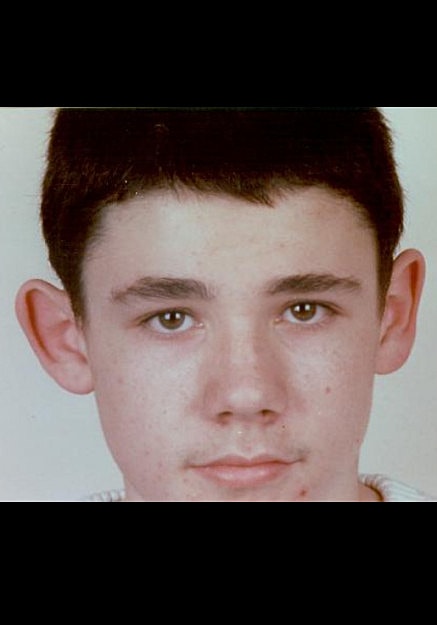
It’s common to wonder why your ears or your child’s ears stick out when others’ don’t. Having prominent ears is most commonly due to cartilage overgrowth during ear development. The conchal bowl, which is the sunken part of the ear that you see when you look from the front or the side, is made primarily of cartilage. When there is too much cartilage, the ear pushes away from the side of the head. So, it isn’t that the ears themselves are bigger, just that there is cartilage making them stand out too far.
Excess cartilage in the conchal bowl is only one reason ears may stick out. The other is the underdevelopment of the helical rim of the ear. This is the ridge that’s located just inside the rim of the upper, outer ear. If this piece of tissue is not fully developed, the result may be that the upper ear sticks out or even folds forward slightly.

Safe, Surgeon-Led Care
Otoplasty is a brief outpatient procedure performed at our on-site state-accredited office surgical suite. During your consultation, Dr. Castor will discuss your anesthesia options and ensure you know what to expect on the day of surgery.
Your otoplasty will begin with an incision concealed inside or behind your ear. Then, Dr. Castor will remove excess tissue, contour the cartilage, and create any missing natural folds as appropriate before closing the incision. The exact techniques used during the procedure depend on your unique ear anatomy and the degree of correction needed.

Restoring Balance
At our practice in Tampa Otoplasty is a straightforward and predictable procedure that can address concerns such as:
Benefits Beyond the Mirror
Emotional and Social Well-being
For many, the benefits of otoplasty are as much psychological as they are physical. Correcting prominent ears can help children avoid the emotional toll of bullying and adults feel comfortable wearing their hair up or in shorter styles. The boost in self-esteem is often cited by patients as the most valuable outcome of the procedure.
Natural, Symmetrical Proportions
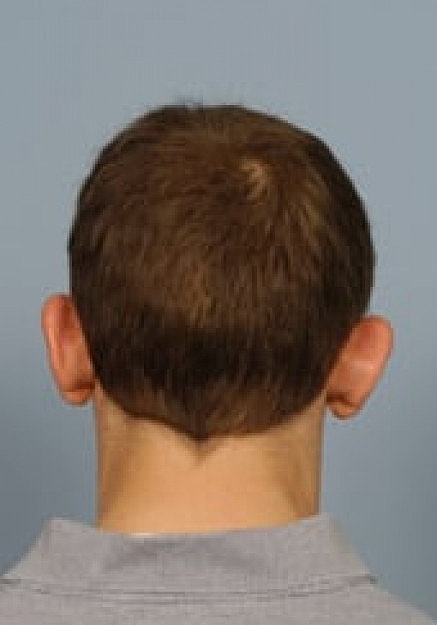
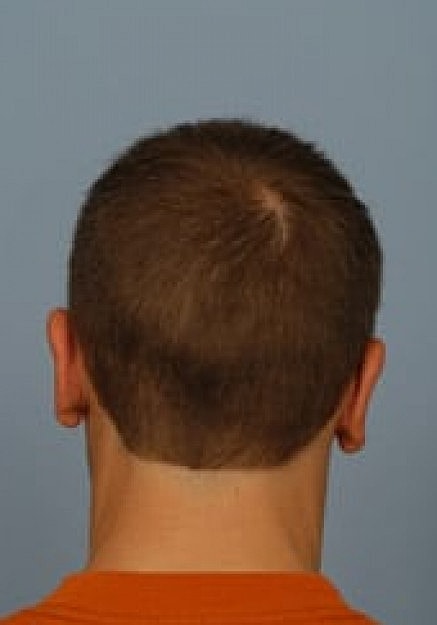
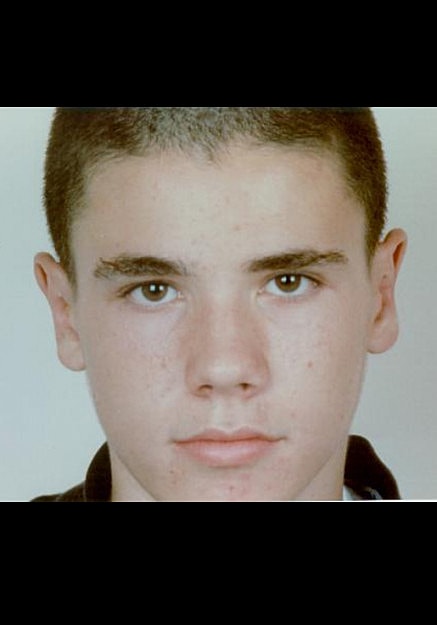
Dr. Castor focuses on creating a non-operated look. By meticulously contouring the cartilage, he ensures the ears don't just sit closer to the head but also retain the natural folds and curves of a typical ear. This creates a balanced facial aesthetic where the ears no longer distract from your other features.
Reasons to Consider Ear Pinning
The ideal candidates for otoplasty are in good overall health, do not smoke, and are able to follow aftercare instructions. Otoplasty does not have age requirements like many other cosmetic procedures. Children can undergo surgery as soon as their cartilage is sufficiently stable, which typically occurs around age 5.

A Smooth Recovery
Otoplasty recovery is a relatively quick process involving minimal discomfort. Dr. Castor will provide specific aftercare instructions, including activity restrictions. Following these instructions is key to the success of your procedure. In fact, most people can return to work and resume normal activities within one to two weeks. Children may miss a week of school after this surgery.
Your Final, Balanced Profile
The results of otoplasty will be visible after the surgeon removes the protective dressings. At this time, your ears may have residual swelling or redness that will fade. You can expect your flattering new ear shape and position to last a lifetime with minimal aesthetic changes.
Expert Ear Reshaping and Pinning
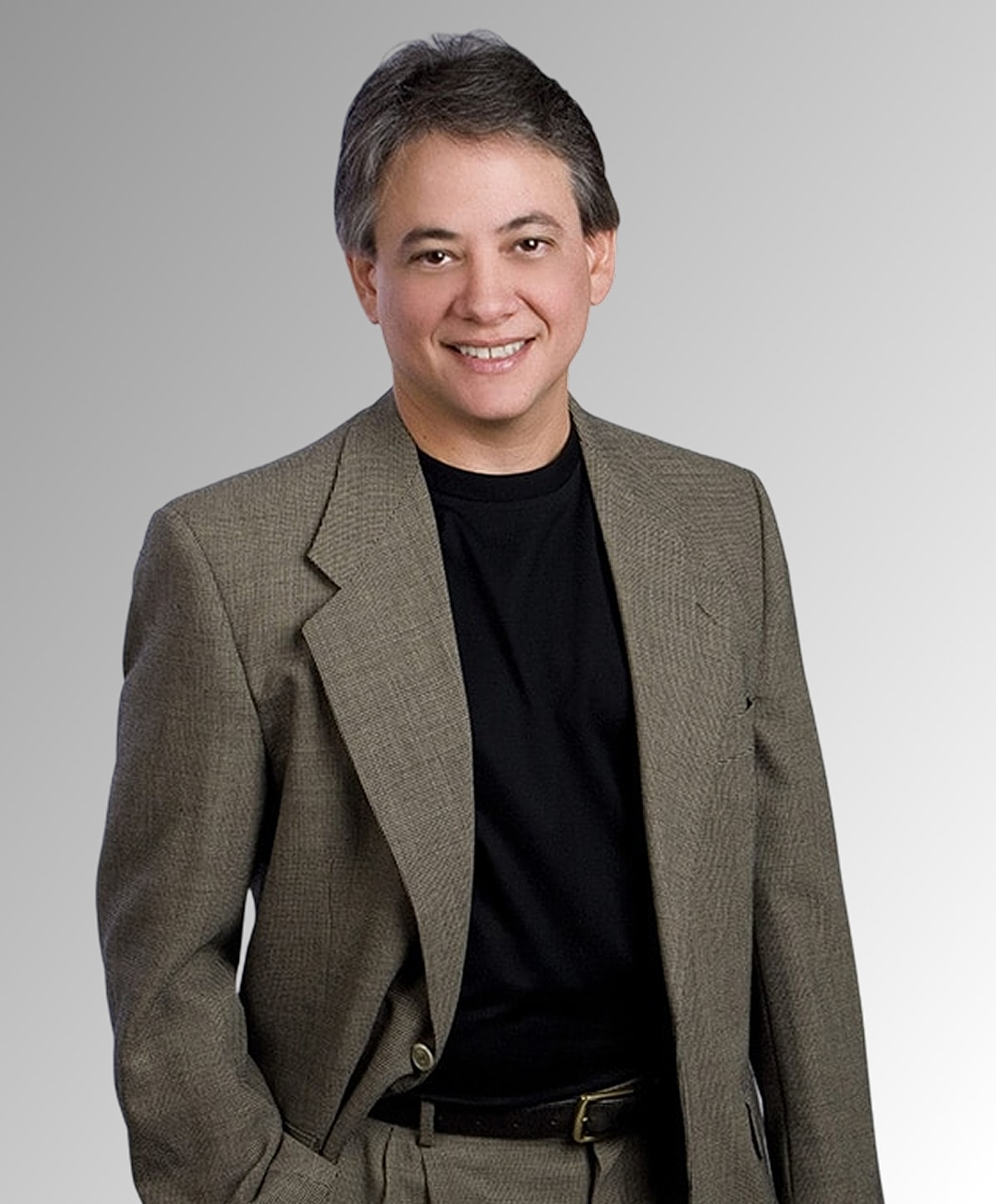
At Artisan Aesthetics, we believe that otoplasty requires a delicate touch and a perfectionist’s eye. Dr. Stan Castor is a board-certified plastic surgeon who personally oversees every stage of your or your child's journey. Unlike high-volume practices, we never delegate follow-up care to assistants. Dr. Castor is there for every check-up, offering the peace of mind that comes with 20+ years of experience. Our private surgical suite and patient-first philosophy ensure that your transformation is supported by world-class skill in a warm, unhurried environment.
If you are considering otoplasty for yourself or your child, schedule a consultation with board-certified plastic surgeon Dr. Stan Castor today at (813) 971-2000. Artisan Aesthetics Plastic Surgery: Dr. Stan Castor, MD serves Tampa Bay and other areas of Florida.
Typically, an otoplasty takes about 1 to 2 hours, depending on whether one or both ears are being treated and the complexity of the reshaping required.
The type of anesthesia used for otoplasty (ear surgery) depends on the patient’s age, the complexity of the procedure, and the surgeon’s preference. Here are the most common options:
1. Local Anesthesia with Sedation
2. General Anesthesia
3. Local Anesthesia (Without Sedation)
Otoplasty recovery is not painful, although you can expect a few days of soreness and tenderness. You will receive prescription pain medication to manage these side effects. Taken as directed, your pain medication can do a very good job of maintaining your comfort. However, do not skip doses, or you may find yourself working harder to get ahead of the pain. The gentle compression headband worn after surgery can also help resolve discomfort more quickly. This headband helps prevent accidental bumps that could be painful. Usually, patients only need prescription painkillers for a few days to a week.
The results of otoplasty should last indefinitely. There is a very slight risk of recurrence of ear protrusion. At this time, your ears may have residual swelling or redness that will fade. You can expect your flattering new ear shape and position to last a lifetime with minimal aesthetic changes. However, this is usually associated with an ear injury during the recovery period. If you wear the recommended headband and take care to protect your ears, you have every reason to expect your otoplasty results to be permanent.
When the ears stick out too much, it’s easy to spot the asymmetry between them. One of the goals of otoplasty is to create greater harmony in size and shape. The mere act of repositioning the ears to sit closer to the sides of the head can create a much more symmetrical appearance. During your consultation, Dr. Castor will discuss his surgical plan and his expected cosmetic outcome.