Breast Implant Exchange Tampa


Your Evolving Silhouette
Whether your breast implants have aged, you’re experiencing complications, or your aesthetic preferences have simply changed, breast implant exchange surgery provides a path forward. At Artisan Plastic Surgery, board-certified plastic surgeon Dr. Stan Castor specializes in breast revision surgery, helping women achieve renewed comfort, symmetry, and confidence through personalized implant replacement.

1-2 hours, depending on complexity
General anesthesia
Most patients return to light activities within 1-2 weeks; full recovery in several weeks
Modern silicone implants and saline implants typically last 10-15 years before reassessment is recommended
Implant Longevity Explained
Breast implant exchange is a surgical procedure where existing breast implants are replaced with new ones. This can be due to medical concerns, aesthetic desires, or the natural aging of implants. This breast revision surgery addresses the reality that breast implants are not lifetime devices. Over approximately 10-15 years, implants may experience shell weakening, implant rupture, or changes that affect breast appearance and comfort. However, many implants last well beyond 10 years without issues. Regular monitoring is more crucial than the 10-year myth.
The implant exchange procedure allows you to update your implant size, switch between silicone implants and saline implants, change implant placement, or resolve complications from your original breast augmentation procedure. For example, a patient whose saline implants have deflated or whose silicone gel implants show signs of rupture on imaging can have them safely replaced with current implant options featuring improved technology. Patients often opt to combine their exchange with a breast lift (mastopexy) to enhance shape and combat natural sagging.
Whether you’re addressing health concerns, seeking a different breast shape, or simply want peace of mind with newer implants, breast implant exchange surgery offers a solution designed around your evolving needs.

According to the International Society for Aesthetic Plastic Surgery (ISAPS), the number of Breast Implant Replacement Surgery procedures nearly doubled from 2017 to 2022, with over 320,000 patients undergoing such surgeries annually. This trend underscores a growing inclination toward implant exchanges, which may influence future data on implant exchanges.

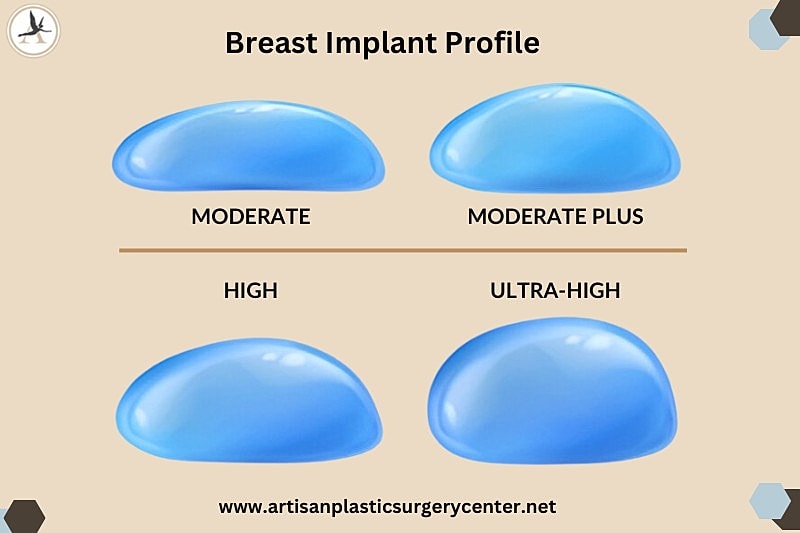
Low, Moderate, Full, and Extra Full
Knowing the reasons for breast implant exchange, the types of implants available, and potential risks helps patients choose the best-suited implants. Newer generations of implants (such as cohesive gel implants) offer greater durability and a lower rupture rate. Dr. Castor works closely alongside each patient to plan every detail of the implant exchange procedure. This includes selecting the right implants for your current goals.


Your Personalized Surgical Plan
Breast implant exchange surgery is performed under general anesthesia as an outpatient procedure, meaning most patients return home the same day.
Dr. Castor will often use the same incisions from your first surgery to minimize scarring. Common approaches include the inframammary fold incision (beneath the breast) or periareolar incision. Using original incision sites helps maintain breast appearance while providing necessary access.
Your old implants are carefully removed, and the surgeon evaluates the breast pocket and surrounding tissues. If scar tissue has formed a problematic capsule around your existing implants, a condition called capsular contracture, partial or total capsulectomy may be performed to address complications and create an optimal environment for your new implants.
The implant pocket is adjusted as needed. This may involve changing the placement from above the muscle to below (or vice versa), correcting implant malposition, or resizing the pocket to accommodate larger or smaller implants based on your goals.
Your selected new implants are positioned within the prepared pocket. Dr. Castor ensures proper symmetry, projection, and placement before closing the incision in layers.
The incisions are closed with sutures, and you’ll be fitted with a surgical bra or compression garment to support the healing process. The entire procedure typically takes 1-2 hours, though more complex cases involving a breast lift, fat grafting, or extensive revision surgery may require additional time.
IMPLANT TYPES | COMPOSITION | ADVANTAGES | DISADVANTAGES |
|---|---|---|---|
| Saline | Sterile salt water | Adjustable size and safer if ruptured | Less natural feel and visible rippling |
| Silicone | Silicone gel | Natural feel and less changes of rippling | Silent ruptures and regular monitoring needed |
| Gummy Bear | Highly cohesive silicone gel | Retains shape and natural look | Requires larger incision and a higher cost |
| Fat Transfer | Patient's own fat | Natural feel and dual benefit of liposuction. | Limited size increase and may require multiple sessions |
Medical Reasons for Exchange
Breast implant exchange surgery resolves a range of issues that can develop after your initial surgery:

When scar tissue around the implant tightens excessively, it can cause firmness, discomfort, and visible distortion. This occurs when scar tissue forms around the implant, causing hardness or discomfort. It’s an infrequent issue following breast augmentation. Studies show capsular contracture affects approximately 12-19% of primary augmentation patients within 10 years, making it one of the most common reasons for revision procedures.
Both saline and silicone implants can rupture. Saline ruptures are noticeable quickly as the breast deflates. Silicone ruptures might be “silent,” detected only through imaging. Research indicates silent rupture rates approach 18% per implant by 10 years, making periodic monitoring and timely exchange important for breast health.
Explore detailed insights about saline vs. silicone breast implants.
Significant weight changes, aging, or hormonal shifts can alter breast appearance, leading some to consider an implant exchange.
Implants can shift or settle unevenly, resulting in asymmetrical breasts. Internal sutures, also known as an internal bra or synthetic mesh, can be used to reposition new implants in a more symmetric position.
The lifespan of saline implants averages about 12 years, although it is not uncommon for them to last even 20 years. If your saline implants are older than 12 years, you may consider exchanging them before they eventually break. Silicone implants commonly will last 20-25 years. Regular mammograms, ultrasounds, or an MRI can usually detect problems of leakage or rupture of a silicone implant. If your silicone implants are 25 years or older, you may wish to consider exchanging them before a rupture is detected.
Though rare, infections can occur post-surgery, sometimes necessitating implant removal. At Artisan Aesthetics Plastic Surgery, Dr. Stan Castor, MD, and his staff prioritize personalized attention. In addition, they ensure patients understand their options and feel at ease with their decision to exchange implants.
Many patients seek breast implant replacement due to changes in personal preference over time. Trends and personal aesthetics evolve, leading some to seek modifications to their implants. This may include a desire for a different size or shape of implant, or a desire to update your implant technology. Pregnancy, weight fluctuations, aging, and gravity can affect how existing breast implants look within your breast tissue. Exchange combined with a breast lift can address significant sagging or excess skin.
The Advantage of an Update
Breast implant replacement surgery offers meaningful improvements related to aesthetics, comfort, and health:
Exploring Your Options
You may be a strong candidate for breast implant exchange if you:
Who Should Wait or Explore Alternatives
Patients with active breast infections, uncontrolled medical conditions, or unrealistic expectations may need to address these factors before proceeding. Smokers face increased healing risks and should discuss cessation plans. Those who have undergone multiple prior revisions may benefit from consultation on alternative approaches, including autologous tissue reconstruction in complex cases.

Undergoing a breast implant exchange can evoke a range of emotions. For some, the procedure brings renewed confidence and satisfaction with their appearance. However, others may experience anxiety or uncertainty about the changes.
At the same time, it’s essential to acknowledge these feelings and understand that they are a normal part of the process. A study highlighted that while many patients report positive outcomes post-surgery, some may face challenges such as depression or body image issues.
Friends, family, and support groups can provide emotional support and share experiences. Additionally, counseling from professionals experienced in body image and post-surgical adjustment can be beneficial. Professionals can offer coping strategies and help in setting realistic expectations.
Setting realistic goals is crucial for a satisfying result. Perfection is impossible, so focus on progress, which can bring more fulfillment. Thoroughly discuss your aims with the surgeon to ensure they align with achievable outcomes. Although this can reduce disappointment and foster a positive attitude.
Sometimes, patients have reactions to anesthetics, but it doesn’t happen often. If you’ve had any past experiences with anesthesia or if you’re currently taking medications, make sure to talk about it with your anesthesia provider. This will help reduce the risks.
Healing Timeline
Understanding what to expect during breast implant exchange recovery helps you prepare for a smooth healing process. For many patients, recovery after an exchange can be quicker than the first augmentation, especially if no additional corrections are needed.
Pain Management Strategies
Post-surgery discomfort and soreness are common. Expect some swelling, bruising, and tightness. These are normal responses to surgery. Dr. Castor will prescribe pain medications to manage this effectively. Applying cold compresses and wearing a supportive surgical bra can also alleviate discomfort. Most patients wear a surgical bra or compression garment continuously to support the breasts and minimize scarring.
Activity Restrictions and Guidelines
Indeed, rest is vital in the initial recovery phase. Avoid strenuous activities, heavy lifting, and exercises that strain the chest muscles for at least four to six weeks. Light activities can resume within 1-2 weeks for many patients. Engage in gentle physical movements and take brief strolls to enhance blood flow throughout the body.
Monitoring for Complications
Stay mindful of signs of complications. For example, excessive swelling, redness, fever, or unusual discharge from the incision sites. If any of these occur, it is recommended to contact your surgeon promptly.
Follow-up Appointments with the Surgeon
Regular follow-up visits are essential to monitor healing and address any concerns. These appointments allow Dr. Castor to assess the surgical outcome and ensure a smooth recovery process.
Enduring Refinement
Following breast implant exchange surgery, you’ll notice immediate changes in breast size and shape, though initial swelling will obscure your final results. Over the first few weeks, swelling subsides and your implants begin settling into their natural position within the breast pocket.
Most patients see substantial improvement by six to twelve weeks, with subtle refinements continuing for up to six months, particularly in complex revision procedures. The outcome is breasts that look and feel natural, with improved symmetry, appropriate projection, and resolution of any complications that prompted your revision.
While modern breast implants demonstrate excellent longevity, they are medical devices requiring monitoring. Many patients enjoy their results for 10-15 years or longer before reassessment is needed. Maintaining a stable weight, attending follow-up appointments, and monitoring for changes support lasting satisfaction with your breast revision surgery results.
Our Signature Care
At Artisan Aesthetics Plastic Surgery, Dr. Stan Castor and his team prioritize patient care. They also strive to guide you in addressing frequently raised concerns, including the types of breast implants, their respective lifespan, reasons for considering an exchange, and important considerations, along with potential complications related to breast implant replacement or breast implant exchange in Tampa.
Breast implant replacement surgery requires specialized expertise that goes beyond the skills required for initial breast augmentation. Our practice combines advanced surgical techniques with a deep understanding of how existing breast implants behave over time. From addressing capsular contracture to selecting new implants that complement your current lifestyle, we approach every revision procedure with precision and care tailored to your unique anatomy and goals.
A consultation will further ensure your choices align with your health and aesthetic goals. Our expert team will make your experience pleasant and help you feel confident throughout the process.
Dr. Stan Castor and his dedicated patient care team will help you feel attractive and self-assured during the breast implant exchange procedure. Contact us at (813) 971-2000 to arrange your consultation or inquire about the procedure details. Artisan Aesthetics Plastic Surgery: Dr. Stan Castor, MD, gladly accepts patients from the Tampa Bay region as well as nearby areas of Florida.
Breast implants aren’t lifetime devices. Typically, their lifespan ranges between 10 -25 years. However, some may last longer without issues. For instance, the factors influencing longevity are:
Breast implants are not lifetime devices. While many can last 10 to 25 years, some may require earlier replacement due to complications or personal preferences. High-impact activities, smoking, and drastic weight fluctuations can shorten implant lifespan, leading to more frequent exchanges. Regular check-ups with your surgeon can help determine the appropriate timing for an exchange.
Indicators include hardening of the implant (capsular contracture), implant rupture or leakage, as well as changes in breast appearance or discomfort. If you notice any of these signs, consult your surgeon for an evaluation. Read the Seven Signs to look for.
The insurance coverage varies. If the exchange is due to medical reasons, such as implant rupture or capsular contracture. Then, insurance may cover part of the costs. However, exchanges for aesthetic reasons are typically not covered. Review your insurance policy and discuss coverage with your insurance customer service.
Yes, during an implant exchange, you can choose to switch the implant type. However, discuss the benefits and considerations of each option with your surgeon. Ultimately, make an informed decision that aligns with your goals.
The costs can vary based on factors such as the surgeon’s fees, the complexity and length of surgery, facility charges, anesthesia, and the type of implants chosen. You will receive a detailed quote during your consultation to understand the financial commitment.
Certainly, getting new breast implants is a big deal. Therefore, it’s important to learn about the process of insight. Also, think carefully about how it will make you feel emotionally, and have reasonable expectations. Regardless, Dr. Stan Castor and his team will provide personalized advice, address your concerns, and guide you through the decision-making process.
Surgical procedures carry potential dangers like developing an infection, excessive bleeding, or negative responses to anesthesia medication. While these general surgical risks are uncommon, it’s important to be aware and discuss them with your surgeon.
Specific risks related to implant exchange include:
Dr. Stan Castor carries out all breast procedures at his state-approved, accredited office surgical suite. Not only does it reduce the price of selected procedures, but it also avoids high hospital charges. The facility exceeds the cleanliness standards set by health officials. The in-office surgical suite further ensures that patients will only interact with nurses and other personnel they have already met and feel at ease with.