Facelift Tampa


A Refreshed Perspective
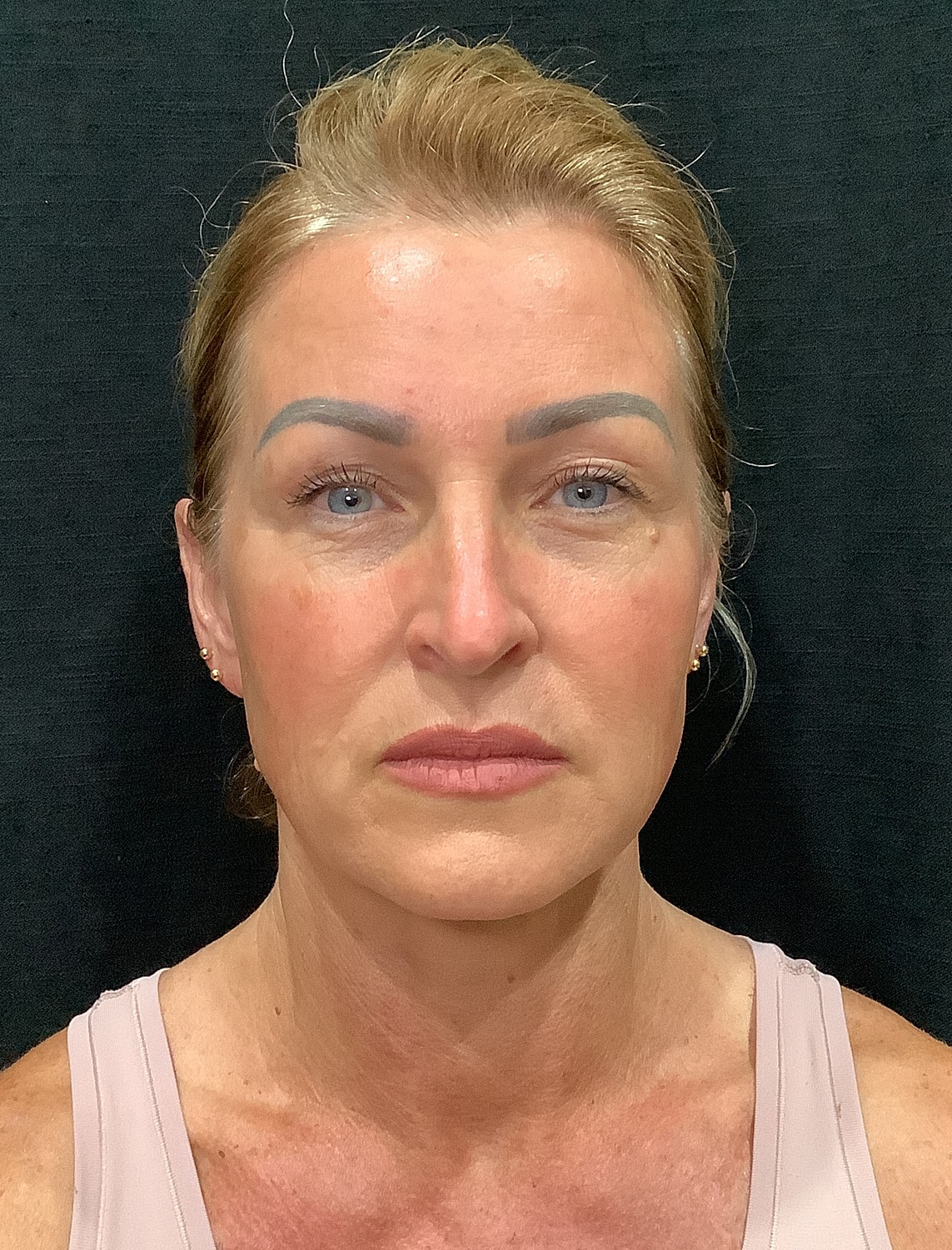
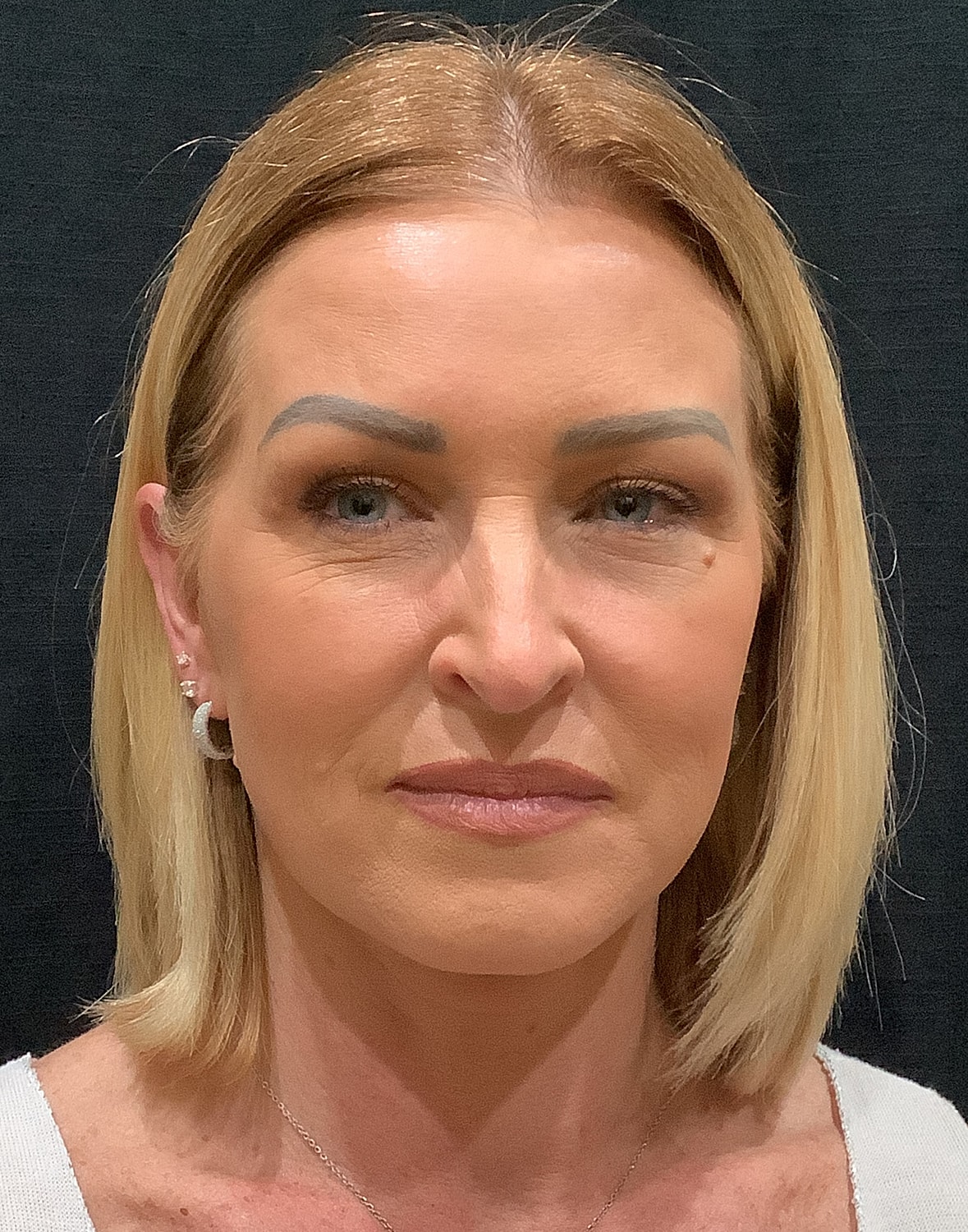
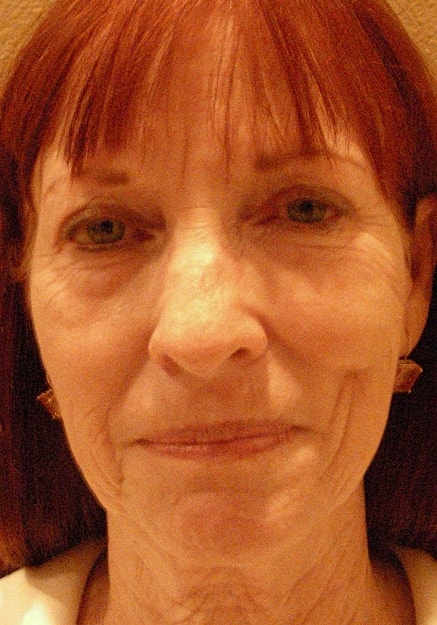
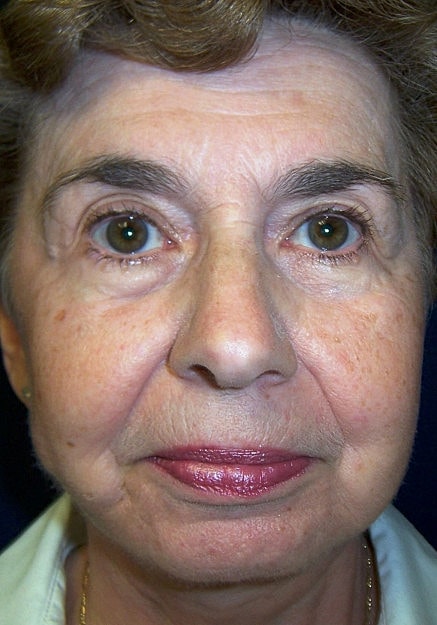
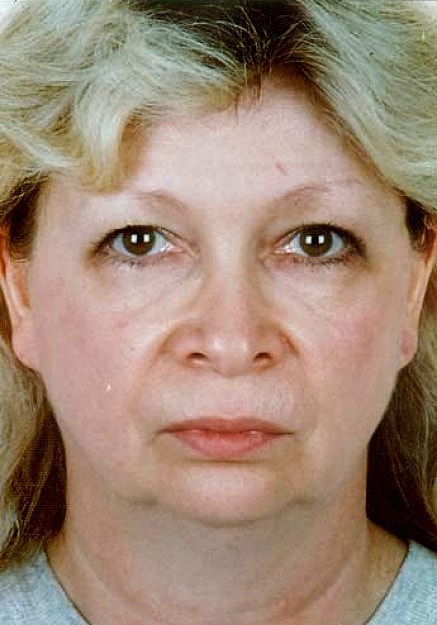
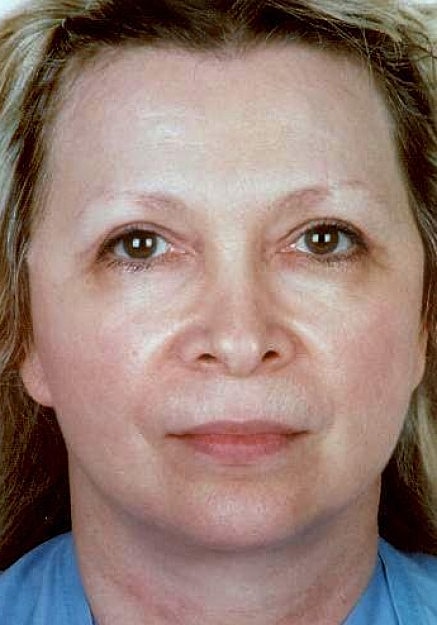
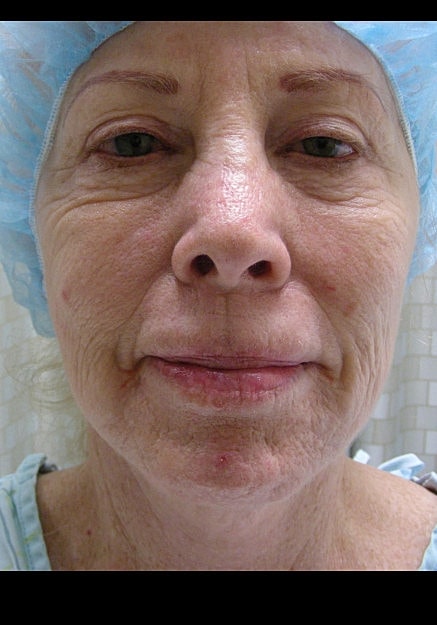
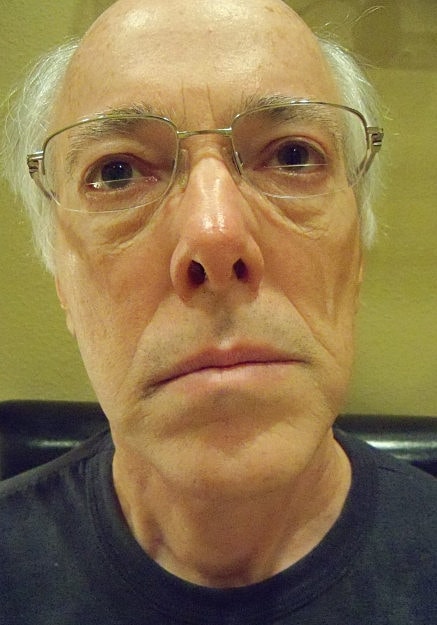
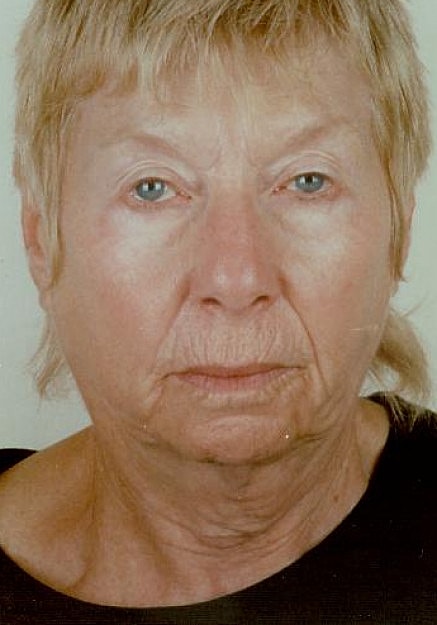
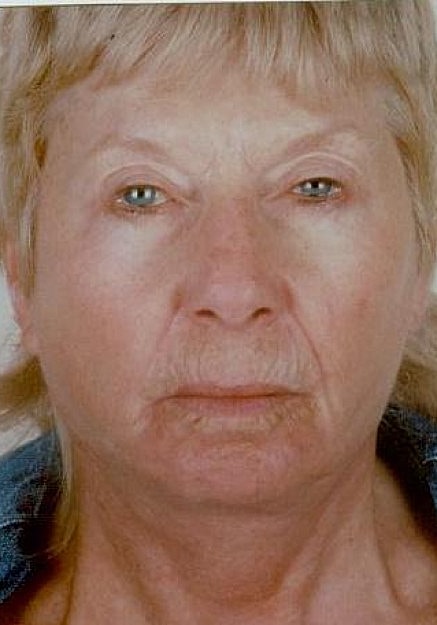
A facelift, known medically as a rhytidectomy, is the most effective and long-lasting facial aging surgery available in Tampa. It reverses the effects of time and gravity by elevating the skin, tissue, and muscles on the face and neck. Facelift surgery can correct nearly any age-related concern you may have, including sagging and wrinkles.
When you’re considering facial rejuvenation surgery, the relationship you build with your plastic surgeon matters as much as the surgical procedure itself. At Artisan Aesthetics Plastic Surgery in Tampa, FL, Dr. Stan Castor takes a different approach to facelift surgery. Rather than brief consultations and delegated aftercare, you’ll spend 1 to 1.5 hours with Dr. Castor during your initial visit, discussing your goals, evaluating your facial anatomy, and developing a treatment plan tailored to you.
This hands-on philosophy continues throughout your entire experience, from pre-operative preparation to post-surgical recovery; you’ll work directly with Dr. Castor rather than being handed off to nurses or physician assistants. Dr. Castor's hands-on philosophy, coupled with expert surgical techniques, allows him to restore more youthful facial contours while preserving the natural character of your features.
1 of 9

Targets the SMAS (deep tissue) layer to provide foundational support that looks natural and lasts for years.
Effectively eliminates jowls, smooths deep nasolabial folds, and restores a crisp, defined jawline and neck.
Performed in our accredited, in-office surgery suite—offering superior privacy and avoiding high hospital fees.
Most patients return to social activities and desk work within 10–14 days, with full activity resumed by 6 weeks.
Restoring Structural Harmony
A facelift (medically known as rhytidectomy) is a surgical procedure designed to address the visible signs of aging in the face and neck. As the natural aging process continues, facial tissues lose elasticity, deeper tissues descend, and skin begins to sag. A facelift works by repositioning underlying muscle and facial tissues, removing excess skin, and restoring a more youthful contour to the lower face and jawline.
The procedure targets multiple layers of facial anatomy, not just the skin's surface. Modern facelift techniques address the Superficial Musculoaponeurotic System (SMAS), a layer of tissue beneath the skin that provides structural support to the face. By tightening facial muscles and repositioning this foundational layer, facelift results appear natural rather than pulled or windswept.
Several facelift approaches exist to address different degrees of facial aging:
Traditional Facelift: This comprehensive approach addresses significant sagging skin, jowls, and neck laxity through incisions around the ears and into the hairline. The SMAS layer is repositioned, and the remaining skin is redraped for a balanced, refreshed appearance.
Mini Facelift: For patients with mild to moderate lower face laxity, this less extensive procedure uses shorter incisions and involves less tissue work. Recovery time is typically faster, making it suitable for those with early signs of aging who want meaningful improvement without extensive surgery.
Deep Plane Facelift: This advanced facelift technique dissects beneath the SMAS layer and releases facial ligaments, allowing more comprehensive repositioning of facial tissues as a single unit. It’s particularly effective for addressing nasolabial folds and midface descent.
During your consultation, Dr. Castor evaluates your facial, bone, and skin structures to recommend the surgical technique that will best achieve your goals.

The Roadmap to Radiance
Your journey begins with a comprehensive consultation at Artisan Aesthetics. Unlike practices where a coordinator handles initial meetings and the surgeon appears briefly, Dr. Castor personally conducts your entire consultation. Plan to spend 1 to 1.5 hours discussing your concerns, reviewing your options, and getting to know the team.
During your consultation, Dr. Castor will:
This educational approach ensures you understand exactly what to expect. There’s no pressure and no rush. You’ll receive honest information about what facelift surgery can and cannot accomplish for your specific situation.
Once you decide to proceed, pre-operative instructions typically include:

Inside the Surgical Suite
Dr. Castor performs facelift surgery in his private in-office surgery suite at Artisan Aesthetics. This setting offers several advantages: a more comfortable, private environment; streamlined scheduling without hospital delays; and lower costs than hospital or for-profit surgery center fees.
Anesthesia Options
Depending on the extent of your procedure, you may have surgery under local anesthesia with twilight sedation or general anesthesia. For many facelift patients, twilight sedation provides comfort during surgery with faster recovery and less grogginess afterward. More extensive procedures or those combined with additional facial procedures may benefit from general anesthesia. Dr. Castor’s in-house anesthesia team tailors the approach to your procedure and preferences.
The Surgical Process
Incisions are carefully placed to remain hidden within natural creases. For a traditional facelift, incisions typically begin at the temples within the hairline, continue around the front of the ear, and extend behind the earlobe. The specific incision pattern depends on your chosen technique (a short scar facelift or mini facelift uses smaller incisions).
Once incisions are made, Dr. Castor works on the deeper layers of facial anatomy. The SMAS layer is tightened and repositioned, removing tension from the skin and creating support that lasts. In a deep-plane facelift, dissection continues beneath the SMAS to release the retaining ligaments and allow more comprehensive tissue repositioning.
After the underlying tissues are secured, excess skin is carefully trimmed, and the remaining skin is redraped naturally without tension. This approach avoids the “pulled” appearance that characterized older surgical techniques. Incisions are closed meticulously to minimize visible scarring.
Duration
Procedure time varies based on technique and whether additional procedures (such as neck surgery, fat transfer, or eyelid surgery) are performed. A mini facelift may take 2 to 3 hours, while a full deep plane facelift with comprehensive neck work may require 4 to 6 hours.
Customized Facelift Procedure Options
There are several facelift methods. However, the right option for you depends on the nature of your concerns and the degree of change you want to see. Regardless of the type of facelift you and Dr. Castor choose, you can expect your procedure to be performed in our on-site, state-accredited office surgical suite.
A traditional facelift offers the most comprehensive facial rejuvenation and begins with an incision that extends from near the temples to the lower scalp behind the ears. Dr. Castor may then sculpt the facial fat, reposition underlying tissue, and lift and tighten the neck muscles before redraping the skin for a youthful, uplifted result.
A limited-incision facelift, also called a mini-lift, involves a shorter incision and may be appropriate if you have less skin laxity and minimal loose skin on the neck. For patients looking to improve an aging neck, Dr. Castor may also tighten the vertical neck muscle and reposition skin and tissue below the chin. Once healed, the incisions are nearly invisible since they are within your hairline and facial contours.
Read About Another Alternative Procedure: Renuvion and How it Can Tighten Your Turkey Neck.
Targeting the Signs of Facial Aging
A facelift is the gold standard for correcting specific structural signs of aging that non-surgical treatments cannot reach:

Corrects midface descent and the loss of youthful volume in the cheeks.
Eliminates loose skin and fat that hangs along the jawline, restoring a smooth, linear profile.
Softens the "marionette lines" at the corners of the mouth and deep folds between the nose and lips.
Addresses the "turkey neck" effect by tightening skin and muscles beneath the chin (often combined with a neck lift).
Removes persistent fat deposits and sagging skin that obscure the transition between the face and neck.
Comprehensive Facial Mapping
While the primary focus of a facelift is the lower two-thirds of the face, specifically the cheeks, jawline, and jowls, the procedure often extends to the neck to ensure a seamless, harmonious rejuvenation from the temples to the collarbone.
The Rewards of Renewal
At our practice in Tampa facelifts offer deep renewal, often described by patients as finally seeing their internal energy reflected in the mirror. Beyond simply smoothing the surface, this procedure addresses the root causes of aging by repositioning the underlying tissues, something that temporary fillers or surface treatments simply cannot achieve. By lifting sagging skin and softening deep lines around the nose and mouth, Dr. Castor helps restore the crisp, youthful definition of your jawline and neck.
The result is a more harmonious appearance that preserves your natural expressions, ensuring you still look like yourself, only more rested and vibrant. Choosing a surgical path provides a lasting foundation for your confidence, with improvements typically remaining visible up to ten years. Even as the aging process continues, you will always look younger than you would have without surgery.

Reasons To Consider A Facelift
While non-surgical anti-aging solutions are beneficial, they cannot achieve the same results as a surgical facelift. In fact, over a hundred thousand people nationally undergo this surgery each year to accomplish their goals:
However, keep in mind that a facelift won’t give you a completely different appearance or prevent future aging. This facial aging surgery resets the aging process but doesn’t stop it. A large number of people undergo the procedure sometime in their 40s to 60s. If you have noticed that your skincare products and non-surgical treatments, such as Botox and Dermal Fillers, are no longer very effective, it may be time to schedule a facelift consultation.
Read How a Facelift Can Boost Confidence and Revitalize Your Life.



Your Restorative Timeline
Following your facelift, you will return home to rest. Our staff will provide you with specific aftercare instructions to ensure a safe recovery and optimal results. These instructions cover activity restrictions, medications to take or apply, and when to return for your follow-up appointment. Facelift recovery follows a predictable timeline, though individual experiences vary. Understanding what to expect helps you plan appropriately and recognize that temporary changes are normal parts of healing.
Days 1-3: Swelling and bruising are most pronounced. You’ll wear dressings and may have small drains in place. Discomfort is managed with prescribed medication, and you’ll keep your head elevated. Dr. Castor remains available 24/7 for his patients during this critical period.
Week 1: Follow-up visits allow Dr. Castor to check your incisions and remove dressings or drains. You’ll still have visible bruising and swelling. Rest remains important; avoid bending, lifting, or strenuous activity.
Weeks 2-3: Bruising fades significantly, and swelling continues to decrease. Most patients feel comfortable returning to light activities and may be “socially presentable” by the end of this period, though some residual swelling remains. Many patients return to desk work during this phase.
Weeks 4-6: Your appearance becomes more natural as tissues continue settling. You can gradually resume more normal activities, though strenuous exercise and heavy lifting should wait until Dr. Castor clears you.
Months 3-6: Final results emerge as all swelling resolves and tissues fully settle into their new positions. Scars continue to mature and fade.
Most people resume social activities and return to work 10 to 14 days after surgery, although it may take several months to see your final results due to residual facial swelling. Facelift results often last 10 years or more, especially if you use sun protection and maintain a healthy lifestyle.
Enduring Elegance
Immediately following your procedure, you will notice a significant lift in your facial profile, though final results will emerge as your body heals. Within the first 3 to 4 months, initial swelling and tightness will dissipate, allowing your features to settle into a naturally refreshed state. You won't look like a different person; you will look like a vibrant, rested version of yourself from a decade ago.
The results of a facelift are designed to be long-lasting, typically serving as a reset on the aging process for 8 to 10 years or more. Because Dr. Castor prioritizes the underlying muscle structure rather than just stretching the skin, your results will age gracefully with you. By maintaining a healthy lifestyle and protecting your skin from the Florida sun, you can enjoy your rejuvenated appearance and boosted self-confidence for years to come.
Artistry & Distinction
Dr. Stan Castor is a board-certified plastic surgeon known for creating natural-looking facelift results. If you're looking for a refreshed, youthful appearance, then this procedure lifts and smooths aging skin for stunning results. Learn if this facial procedure is right for you by scheduling a consultation.
Schedule a one-on-one consultation with Dr. Castor today by calling (813) 971-2000 or filling out the contact form. Artisan Aesthetics Plastic Surgery: Dr. Stan Castor, MD, serves Tampa Bay and the surrounding Florida communities.
During surgery, anesthesia ensures you feel no pain. Afterward, most patients describe the sensation as tightness or pressure rather than significant pain. Discomfort is managed with prescribed medication and typically decreases substantially within the first week.
Facelift surgery has a low complication rate when performed by a qualified plastic surgeon. The most common concern is hematoma (blood collection under the skin), occurring in approximately 1% of cases. Infection, nerve injury, and skin healing problems are rare. Controlling blood pressure and avoiding blood-thinning medications before surgery significantly reduces risks.
Most patients enjoy visible improvement for 8 to 10 years or longer. While the natural aging process continues after surgery, you’ll always look younger than if you hadn’t had the procedure. Maintaining results includes sun protection, a healthy lifestyle, and good skincare.
Yes. Plan for about two weeks before feeling comfortable in social situations, though some bruising and swelling may persist longer. Most patients return to desk work within two weeks and resume more strenuous activities by four to six weeks, with Dr. Castor’s clearance.
Patients with uncontrolled high blood pressure, bleeding disorders, or significant medical conditions that increase surgical risks may not be candidates. Current smokers must quit well in advance of surgery. Those with unrealistic expectations… expecting to look dramatically different or stop aging entirely… may benefit from a candid discussion about what facelift surgery can realistically achieve.
Yes. Many patients combine facelift with neck lift, eyelid surgery, brow lift, or fat transfer for comprehensive facial rejuvenation. Dr. Castor can discuss complementary procedures during your consultation and help you determine whether combining treatments makes sense for your goals.