Published
6 minute read
Selecting the right chemical peel session depends on your skin type, concerns (like pigmentation, texture, fine lines), and downtime tolerance. Aesthetic professionals customize peel depth and agent strength to deliver optimal, safe results.
Chemical peels are an effective solution for people of all genders and of all ages who are experiencing a variety of skin ailments. A chemical peel takes advantage of medical-grade chemical agents to remove the outer layer of the skin’s surface. Chemical peels successfully lighten pigmentation, smooth skin texture, lessen the appearance of fine lines and wrinkles, and can help with acne breakouts.
When applied to the skin, a chemical peel helps to remove the “glue” that holds the older, rougher, and drier skin cells onto our face’s surface. After the aesthetician removes the top layer of the skin, the fresh, newer layer appears. The chemical peels also target the face, neck, chest, back, arms, and legs.
We can help you achieve your best skin and perform a number of different chemical peels at our Tampa, Florida, plastic surgery practice. Popular choices include:
As the name suggests, Glycolic Acid Chemical Peels take advantage of glycolic acid. The chemical is derived from sugar cane and is a fruit acid. Glycolic acid peels are popular amongst those with wrinkles and acne. It’ll even be much less oily.
Actually, a relative of vinegar (acetic acid). TCA peels are often used to treat sun damage, reduce brown spots, age spots, and sun spots, and control acne, as well as reduce the appearance of fine lines and wrinkles. TCA peels can also effectively improve melasma.
To best meet your skin’s needs, TCA peels can be performed at different depths, from shallow to deep. Lighter peels are performed in a series of two or three; the advantage of a lighter peel is that there is no downtime. Medium-depth TCA peels are only needed once or twice a year, but take note that they do require some downtime. However, it’s only for about a week, and the best areas to treat are the face, neck, chest, back, arms, and legs.
Chemical peel treatments are generally well-tolerated, and to ensure your utmost comfort, we may apply a topical anesthetic to slightly numb your skin. Depending on the depth of the chemical peel you choose, you may experience some redness, and there may be mild to moderate swelling directly following the peel. This is temporary and will resolve within two to three days. You’ll be sensitive to the sun for six to eight weeks following your treatment, so be sure to keep your skin protected by wearing sunscreen, hats, and sunglasses.
A treatment that uses an acid solution to exfoliate the outer skin layers, as well as promoting new skin growth and improved texture, tone, and clarity.
Light (superficial), medium, and deep peels. Common types include glycolic/salicylic for light, TCA or blended peels for deeper; Jessner is a combination used mid-range.
Most people with mild to moderate sun damage, uneven tone, fine lines, acne scars, or rough texture. Generally, skin type and medical history determine the best option.
Yes, different peels target different concerns. Light peels for texture and mild pigment, medium peels for pigmentation and fine lines. On the other hand, astheticans use deeper peels for more pronounced issues (with longer recovery).
Light peels: within days; medium peels: about 1–2 weeks; deeper peels: several weeks with gradual improvement as skin heals.
Light peels: minimal to no downtime. Medium peels: redness and flaking for several days. Deep peels: longer recovery with significant peeling and redness.
Generally safe, but the risk of pigment changes exists. A skilled clinician selects the peel strength and technique based on your skin type and concerns.
Avoid sun exposure, retinoids, and certain acne medications before the procedure. Follow your clinician’s instructions (often a skincare routine leading up to the peel).
The chemical peel session may have redness, peeling, temporary sensitivity, and, rarely, scarring or pigment changes. However, proper technique minimizes risk.
Light chemical peel session: every 2–4 weeks. While mid-depth chemical peel treatments require every 4–6 weeks for a series. Deeper peels may require multiple sessions depending on goals and recovery.
Light peels can help some acne; others may worsen irritation. Your aesthetician will assess suitability for your specific condition and personalize the chemical peel session accordingly.
Prices vary by depth and location. Light chemical peel treatments are typically less, mid-depth higher, and deep peels are the most. However, some clinics offer packages as a combination of chemical peel sessions.
Post-peel skin is more sensitive to the sun. Strict sun protection and a gentle skincare routine are essential during recovery.
Home peels exist but carry a higher risk, especially for deeper peels. Generally, professional in-office peels are safer for most people and more reliable.
Look for board-certified dermatologists or licensed estheticians with experience in peels, review before/after photos, discuss goals, risks, downtime, and confirm the peel aligns with your skin type.
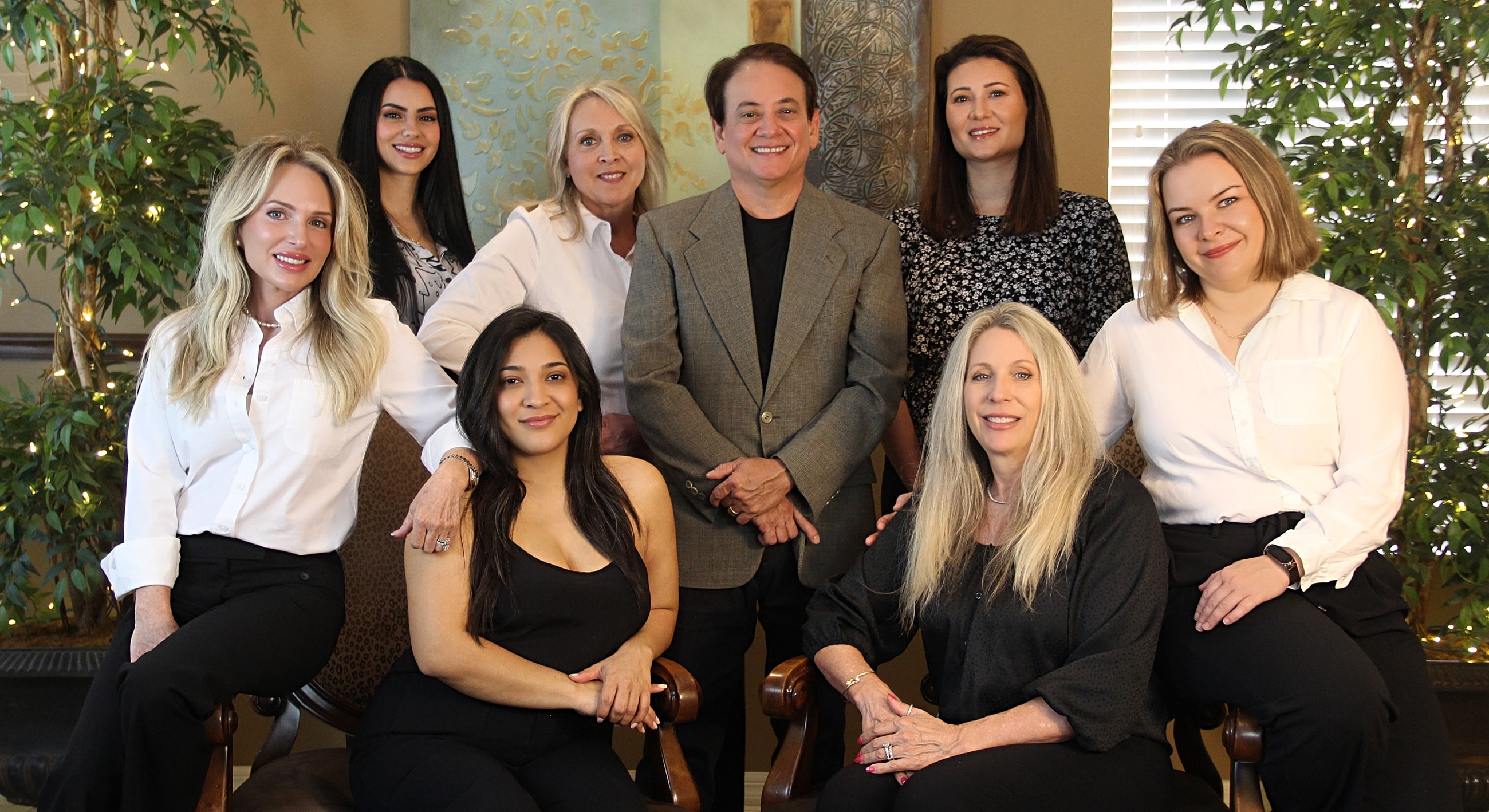
Do you have problematic skin? Perhaps it’s acne, or maybe wrinkles that make you feel self-conscious? Fortunately, at Artisan Plastic Surgery, Dr. Castor has the answer for you: chemical peel treatments in Tampa, Florida. Interested in a chemical peel or have questions about any other procedure? Then be sure to schedule a consultation with Dr. Castor and his trusted team at (813) 971-2000. You’ll be on your way to clearer skin.