Published
10 minute read
After liposuction, patients often wonder about swelling timelines, garment wear, pain control, when they can work or exercise, and how long results will last; these concerns deserve clear answers during post-op visits. Explore the list of questions you might have after liposuction.
Liposuction, particularly designed to remove excess fat from specific areas of the body. If you’ve recently undergone liposuction or are considering the procedure, you might have several questions about what to expect during the recovery process and how to maintain your results. Here are some common questions and answers that might help:
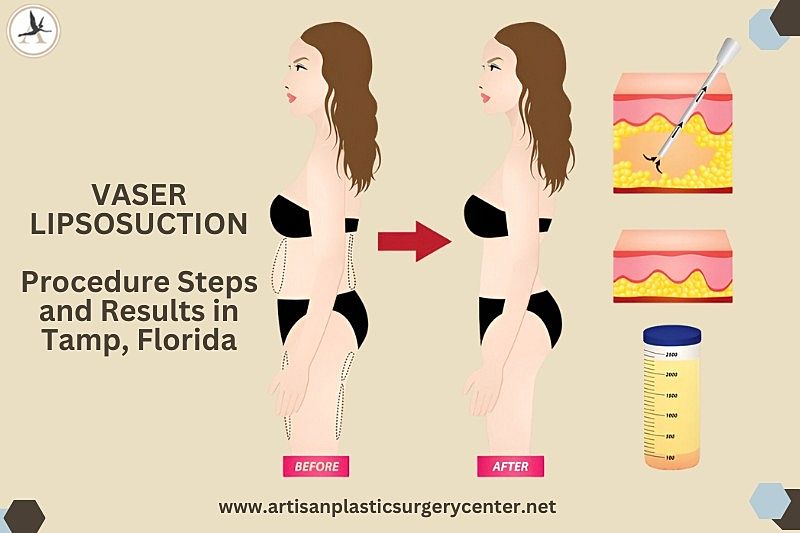
Many people struggle with carrying around excess body fat every day. A liposuction procedure is a good option for those who need to lose stubborn fat when diet and exercise fail to cause them to lose that fat. Liposuction (lipoplasty) is a body contouring surgical procedure in which fat is removed from specific parts of the body using suction. Knowing what to expect after your procedure and what your plastic surgeon will say about your after-care should help you to achieve the results you are looking for.
The procedure might lead to uneasiness accompanied by bruises, skin reddening, or swelling. The surgeon will give you medication for pain relief. Taking a few prescribed medications can help you feel more comfortable during the first few days after the procedure. Compression garments may help to reduce swelling and speed up healing. The swelling will go down after the initial seven days; however, you need to keep wearing compression clothing until the fourth week or follow any other instructions provided. Some people have swelling that may last up to six weeks, but it should subside within a few days.
When you have a liposuction procedure, the surgeon will make tiny incisions to remove the excess fat cells. The surgeon will make these incisions in a few areas of your body to allow your body to shrink and become more attractive naturally. You should receive after-care instructions for your incisions to care for them properly. These instructions should help you ensure that your incisions heal properly and that you don’t have any problems with their appearance.
The surgeon takes out fat cells during liposuction, and it does not come back. The remaining leftover cells can keep accumulating fat and increase in size. Maintaining a healthy diet, drinking plenty of water, and exercising regularly (once your surgeon instructs you to do so) can promote the healing process. As well as keep you at a healthy weight, and keep your body shape once the swelling is gone.
The time required for healing differs based on how major the medical procedure was and the overall well-being of the person. Generally, most people can return to work within a few days to a week. But you should avoid strenuous activities for about 4 to 6 weeks. Swelling and bruising typically subside within a few weeks, but it can take several months for the final results to fully stabilize.
The outcome of liposuction surgery becomes apparent once the swelling subsides entirely. This process may require a duration spanning from three to six months. Patience is key during this period as your body adjusts and settles into its new shape.
During liposuction, the surgeon removes the fat cells permanently. Keeping a steady weight is crucial to sustaining the outcomes. Putting on extra pounds might lead to the expansion of residual fat cells, which could potentially modify the impact of the surgical procedure.
Maintaining a healthy way of living plays a crucial role in the outcome of your liposuction procedure. Eat the right foods and exercise often. Avoid big weight changes. Stay steady with health habits.
Primarily designed to remove excess fat, and does not necessarily improve cellulite. In some cases, the procedure might even make cellulite more noticeable; there are other treatments specifically designed for cellulite reduction that might be more effective.
Like all surgical procedures, liposuction carries risks, including infection, bleeding, and an adverse reaction to anesthesia. Other potential complications can include contour irregularities, numbness, or changes in skin sensation.
Discussing these risks with your surgeon before proceeding with the surgery is important.
Liposuction is best suited for people who are close to their target weight. Their skin should be firm and elastic. Also, they should have areas of stubborn fat that do not respond to diet and exercise routines. It’s also important for candidates to have realistic expectations about the outcomes of the surgery.
Certainly, often combined with other cosmetic procedures, such as tummy tucks (abdominoplasty), breast augmentation, or facelifts, to achieve more comprehensive body contouring results. Your surgeon can recommend the best approach based on your aesthetic goals.
Choosing a qualified, board-certified plastic surgeon is crucial for ensuring safe and effective results from liposuction. Look for a surgeon who has extensive experience in performing liposuction and can provide before-and-after photos of their previous patients. Make sure the surgeon is qualified and the operation takes place in a proper medical center or an accredited facility. If you have more specific questions or concerns, it’s best to consult directly with a board-certified plastic surgeon. Dr. Stan Castor can provide personalized advice based on your individual health and aesthetic goals.
I’m a mom who turned to Dr. Castor for Vaser liposuction after pregnancies left my stomach uneven and difficult to manage with diet or exercise. My surgery targeted the lower abdomen and love handles.
Recovery started off with swelling, bruising, and some discomfort, but I was able to function, sleep, and even take care of my kids soon after. By two weeks in, I saw real improvement but also noticed a bump on one side that I was monitoring with follow-ups.
At 7 weeks, I’d say I was about 40% happy with my results better than before, but not perfect yet. I know lipo takes time to fully settle, and I’m glad Dr. Castor has been supportive and attentive during this process. The staff and experience overall were positive, and I would go through it again for the improvements I’ve already seen.
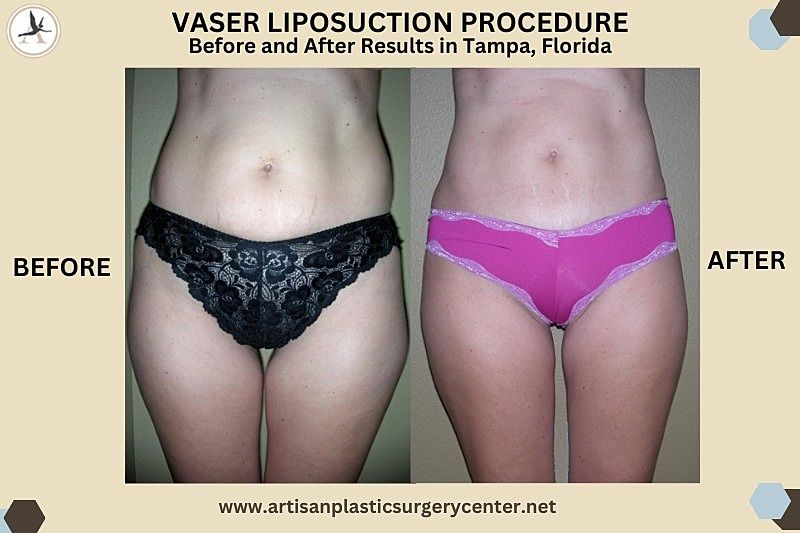
View Artisan Aesthetics before and after gallery patient photos for real results.
Yes, you can typically resume light activities within a few days, but it’s best to avoid vigorous exercise for a few weeks.
Scarring from liposuction is usually minimal and tends to fade over time.
You’ll likely notice some changes after 2-3 weeks. But don’t expect to see the complete results right away. Your body needs time to heal, and the swelling must go down first. Most people see their final results after 3-4 months.
Weight gain after liposuction can affect your results, so maintaining a healthy diet and exercise routine is important.
While liposuction can improve the appearance of cellulite, it’s not specifically designed to treat it.
Yes, wearing a compression garment helps reduce swelling and improve the contour of the treated area.
Recovery time can vary, but most people can return to work within a week or two.
Yes, multiple areas can often be treated in a single session, but this will depend on your individual case.
Skin elasticity plays a role in how well the skin can rebound after liposuction, so individuals with good skin elasticity typically see better results.
Results from liposuction can be long-lasting, but maintaining a healthy lifestyle is key to sustaining them.
Liposuction is not a weight loss procedure, but rather a body contouring treatment for areas with stubborn fat deposits.
It’s possible to have multiple liposuction procedures in the same area, but it’s important to discuss this with your surgeon.
Liposuction targets specific areas of the body, so the overall effect on your appearance will depend on the areas treated.
The cost of liposuction can vary depending on the areas being treated and the specific techniques used, so it’s best to consult with a surgeon for an accurate estimate.
Getting liposuction has some health risks that you should know about. You might get an infection after the procedure. Some patients experience bleeding during or after surgery. The treated areas could also end up looking uneven or bumpy. These are normal risks that come with this type of surgery.
Many people struggle with carrying around excess body fat every day. A liposuction procedure is a good option for those who need to lose stubborn fat when diet and exercise fail to cause them to lose that fat. Liposuction (lipoplasty) is a body contouring surgical procedure in which fat is removed from specific parts of the body using suction.
Many individuals possess unrealistic expectations regarding their liposuction procedure. When the desired outcomes are not achieved, they experience a sense of disappointment. Knowing what to expect after your procedure and what your plastic surgeon will say about your after-care should help you to achieve the results you are looking for.
At Artisan Aesthetics Plastic Surgery, board-certified plastic surgeon De. Stan Castor’s experience in performing the procedure in many areas. Including the abdomen, thighs, and hips, and helps evaluate individual cases to recommend suitable procedures. You can schedule a consultation to learn more about our welcoming facility and the cosmetic services we offer by calling (813) 971-2000 or booking your complimentary appointment online.