Published
10 minute read
Tummy tuck recovery rules after abdominoplasty balance rest and progressive activity: plan for early compression, staged mobility, wound care, and a realistic timeline. It means knowing what you should and should not do after your procedure
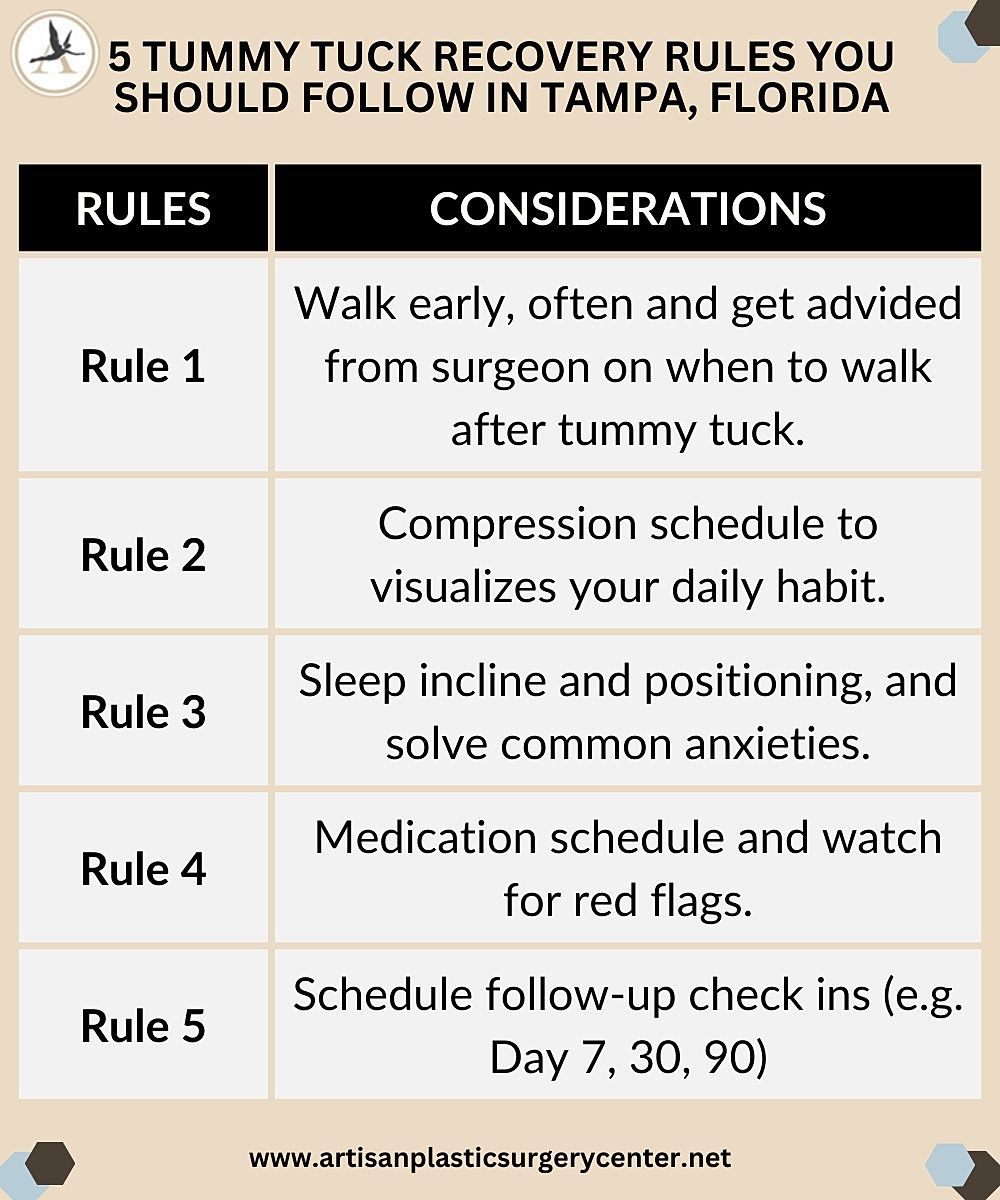
If you want to get good results from your tummy tuck, you will need to commit to the recovery. That means investing the right amount of time and energy into healing. With that in mind, here are some helpful tummy tuck recovery rules to set you up for success. Recovering from a tummy tuck (abdominoplasty) requires careful planning and adherence to specific guidelines to ensure the best possible results and minimize complications. Here are five essential recovery rules to follow after undergoing a tummy tuck:
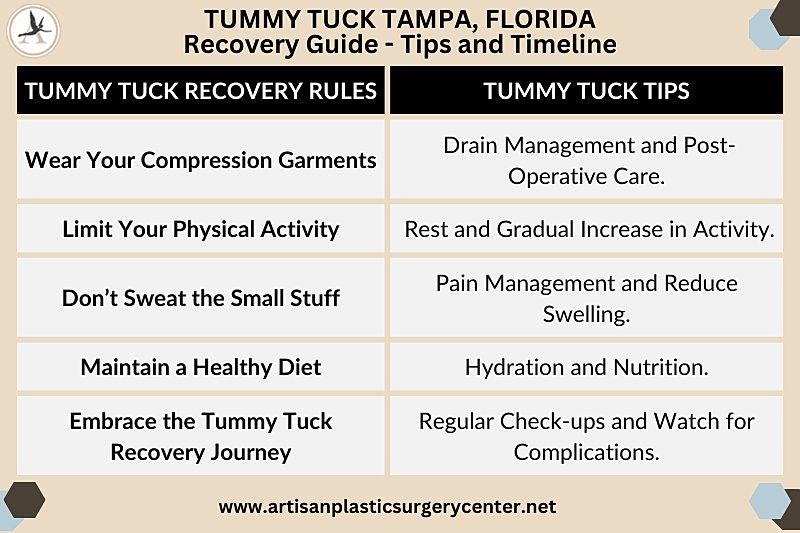
While compression garments and abdominal belts or binders may take some getting used to, they need to be worn around the clock. Try wearing a t-shirt or tank top under your garment for comfort. Ensure your clothing remains properly positioned, avoiding any gathering or bunching above your midsection. Subsequently, follow your surgeon’s instructions carefully, such as:
If drains are placed, they are typically used to prevent fluid accumulation under the skin. You’ll need to empty and measure the fluid, as well as care for the drain site as instructed.
The surgeon performing your surgery will give you specific directions suited to your particular situation. This includes the tummy tuck recovery timeline and guidance on how to care for your incision, as well as types of activities to avoid, and how to use any prescribed medications. Adhering to these instructions is crucial for your healing and the aesthetics of your scar.
Stroll multiple times daily. It aids recovery and stops blood clots from forming.. However, take care not to stand fully upright during the initial stage of your recovery. Avoid strenuous activities and exercises until you are told otherwise. For instance:
During the initial recovery phase, it’s vital to rest and allow your body to heal. Avoid any heavy lifting or vigorous exercise for at least six weeks or until your surgeon gives you the all clear.
Begin taking short walks when you start feeling capable. This activity promotes better blood flow and may prevent blood clots from forming. Gradually increase your activity level based on your body’s response and your surgeon’s advice.
Bruising, swelling, redness, tingling, and symmetry come under important tummy tuck recovery rules. These and other symptoms can seem alarming after surgery, but they are perfectly normal. Knowing what signs to watch for during recovery will help you feel more at ease, manage pain and swelling with the following:
You will likely experience pain and discomfort, which can be managed with medications prescribed by your surgeon. It’s important to take these medications as directed to maintain comfort and reduce inflammation.
Swelling is a part and parcel and happens as part of getting better. You can help minimize swelling by keeping your body slightly elevated when lying down and using compression garments as recommended by your surgeon. Avoiding salt and staying hydrated can also help reduce swelling.
Good nutrition is one of the essential tummy tuck recovery rules. After surgery, be sure to give your body the fuel it needs to recover. Eat fruits and vegetables, protein, fiber, and stay hydrated, and avoid alcoholic beverages. Here are the tips to maintain a healthy diet and stay hydrated, for example:
Keeping hydrated is essential for recovery. Water helps flush out toxins from your body and keeps your skin and tissues healthy.
Consuming a well-balanced meal plan containing essential vitamins and minerals may accelerate the healing process. Focus on foods that are high in protein, vitamins C and A, and zinc to aid in healing and boost your immune system.
Be patient with the tummy tuck recovery timeline to experience lasting results. Your contours and scars will continue to refine for up to a year after surgery. While your results will be relatively permanent, your body will still change with age, weight fluctuations, and pregnancy. Monitor your health, including:
Attend all follow-up appointments so your surgeon can monitor your progress and address any issues early.
Be vigilant for signs of infection such as increased redness, swelling, warmth at the incision site, or fever. Watch for signs of deep vein thrombosis (DVT), like leg pain and swelling.
I was extremely nervous the day I went in for surgery. I didn’t know what to expect. I didn’t know what kind of pain I was going to be in afterwards. When the surgery was over, I was in mild pain. After I got past the second week, things got a little bit better for me moving around. I love my stomach, but I would never want to go through that pain again. I guess what they say is true beauty is pain, and I’m working on myself, so if I had to do it again, I would. Dr. Castor was a very thorough doctor; he answered all my questions and gave me some advice.
I’m 48 years old, my tummy and back have been problem areas for me my entire life. When I gain weight, it goes directly to these areas. Plus, I have so many stretch marks on my body. I am feeling great, and still wearing my garment 24/7. I am back to normal, the scar looks nice and smooth. Around week 4, I started using silicone sheets and Mederma to treat the scar. I have followed so many of you on RS, read your stories, watched you recover, and it has been such a blessing for me to find this site and read it all! Thank you all for sharing your journeys and helping those of us who want to join you on the flat side. I felt very comfortable with Dr. Castor; he took his time to answer all my questions. I am happy with the results.
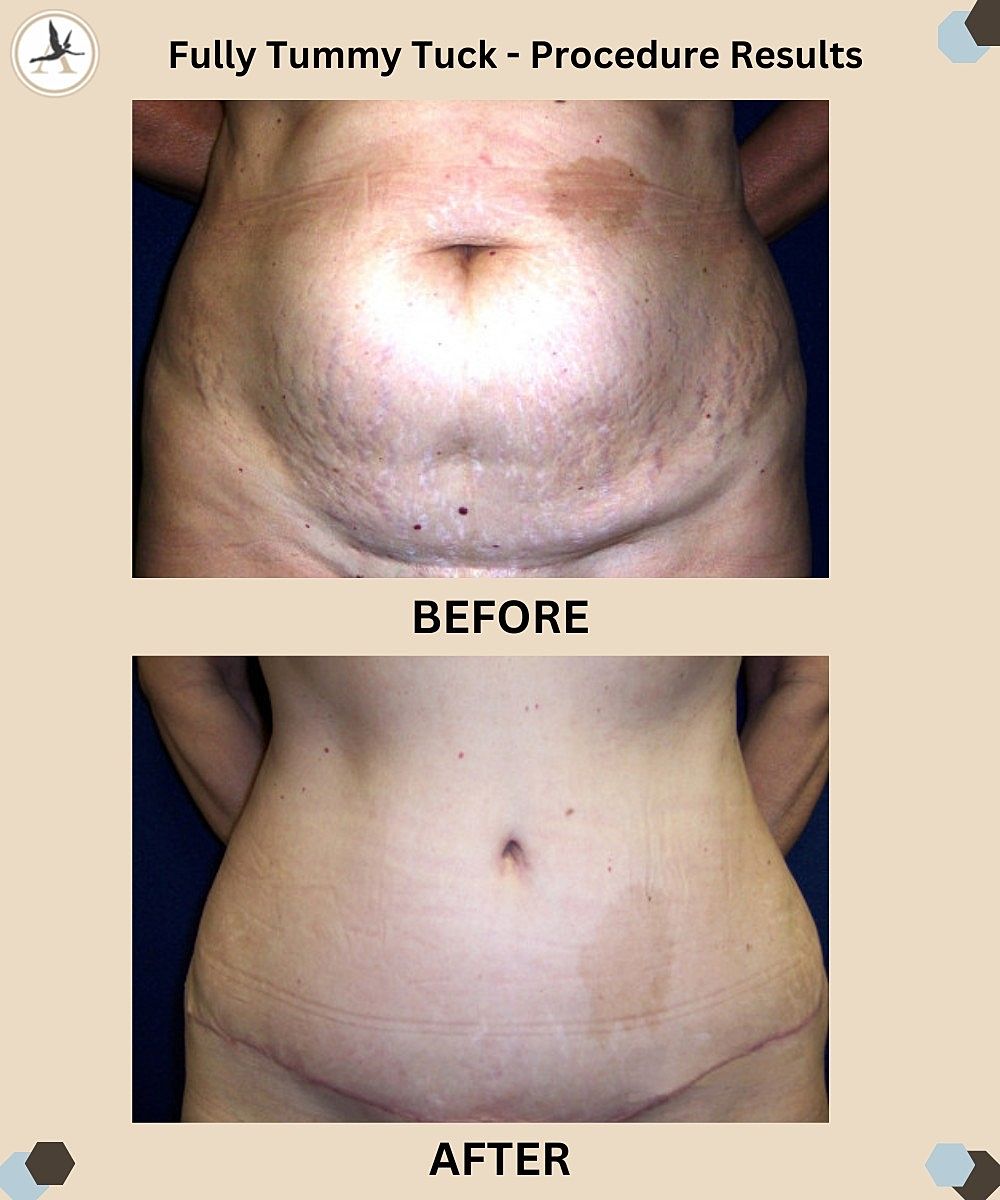
Read more patient reviews and go through our tummy tuck before-and-after gallery to get inspired by procedure transformations.
After undergoing a tummy tuck procedure, your body will need time to heal and recover from the surgery.
The recovery time for a tummy tuck can vary, but it typically takes about 2-4 weeks for most patients to start feeling back to normal.
It is best to avoid alcohol during tummy tuck recovery, as it can interfere with the healing process and increase the risk of complications.
It is recommended to wait at least 1-2 weeks before driving after a tummy tuck, or until you are no longer taking pain medications.
Most patients can gradually resume normal activities within 4-6 weeks after a tummy tuck, but it is important to listen to your body and not push yourself too quickly.
While some scarring is inevitable after a tummy tuck, it typically fades over time and can be minimized with proper care and scar management techniques.
Your surgeon will recommend wearing a compression garment for several weeks after a tummy tuck to help reduce swelling and support the healing process.
It is best to avoid swimming and soaking in water, such as baths or hot tubs, until your surgeon gives you the go-ahead, usually around 4-6 weeks after surgery.
Sleeping on your back with your head elevated can help reduce swelling and discomfort during tummy tuck recovery. Your surgeon may recommend using pillows for support.
While some results may be visible shortly after surgery, it can take several months for swelling to fully subside and for the final results of a tummy tuck to be apparent.
Don’t work out too hard while your body heals from a tummy tuck. Your surgeon will tell you when you can start exercising again. Keep things simple and follow their advice for the best results.
During your recovery from tummy tuck surgery, your surgeon will give you medicine to help with pain. Follow all instructions from your surgeon about the pain medication to take the right dose at the right times.
Keep your wound clean and follow exactly what your surgeon told you to do. This will help it heal better and stop any infections from starting. Make sure you understand all the steps for wound care and don’t skip any of them. Your surgeon knows the best way to help you get better faster.
You can usually go back to work about 2 to 4 weeks after your tummy tuck surgery. The exact time depends on the nature of your work or activities. Office jobs often let you return sooner than jobs that need physical effort. Discuss thoroughly with your surgeon, based on your individual scenario, about the timeline that is safe for you to start working again.
Eating a healthy and balanced diet will help support your body’s healing process. Eat healthy foods that give your body what it needs. Choose protein-rich options like chicken, fish, and eggs. Add lots of fruits and vegetables to get important vitamins. Don’t forget foods with minerals, such as nuts and leafy greens. These foods help keep your body strong and working well. Make sure to include them in your meals each day.
The healing experience varies between these two abdominal contouring surgeries. Adding liposuction to the equation can also change some details of the healing process. View our post-op instructions for a better idea of what you can expect after your chosen surgery. Adhering to these guidelines for recovery can contribute to a smoother healing journey and optimal outcomes from your abdominoplasty procedure. Always keep in close communication with your surgeon and report any unusual symptoms immediately.
Keep in mind that your aftercare guidelines may vary based on the details of your procedure. The recovery process after undergoing a full tummy tuck procedure differs from the recovery following a mini tummy tuck. Do you have questions about recovering from a tummy tuck? Call (813) 971-2000 today for a free consultation with board-certified plastic surgeon Dr. Stan Castor.