Published
6 minute read
Breast augmentation can improve shape, size, and symmetry. But it’s a personal decision that requires realistic expectations, readiness for recovery, and a discussion about long-term maintenance (implants may need replacement). A consultation with a board-certified surgeon, Dr. Stan Castor, would clarify if “breast augmentation is right for you”. And what’s appropriate for your body and goals.
To begin with, understanding your reasons for wanting breast augmentation is necessary. Do you want the breast surgery to feel better about yourself? Fix uneven areas? Regain volume after having a baby? Or improve your natural form? In any event, ensure that your motivations are personal and not influenced by external pressures from others or societal standards.
The procedure may enhance your looks. However, it’s important to maintain reasonable expectations. In fact, no surgery can make you look exactly like someone else or solve deep-rooted self-esteem issues. Therefore, discuss your goals with your surgeon to ensure you understand what’s achievable and what’s not.
Unquestionably, cosmetic surgery is an investment in yourself, but it also comes with a financial commitment. Thus, consider the costs associated with the procedure. For instance, surgeon fees, anesthesia, facility costs, and potential follow-up care. Breast implants may also need to be replaced after 10-15 years. Hence, it’s wise to plan for future expenses as well. Lastly, make sure you’re financially prepared for the surgery and any related costs.
Without a doubt, recovery is a significant part of the breast augmentation journey. Therefore, you will need to take time off work, avoid strenuous activities, and follow post-operative care instructions closely. Besides this, swelling, soreness, and temporary restrictions on movement are all normal parts of the healing process. Consider whether you have the support system and time available to commit to your recovery fully.
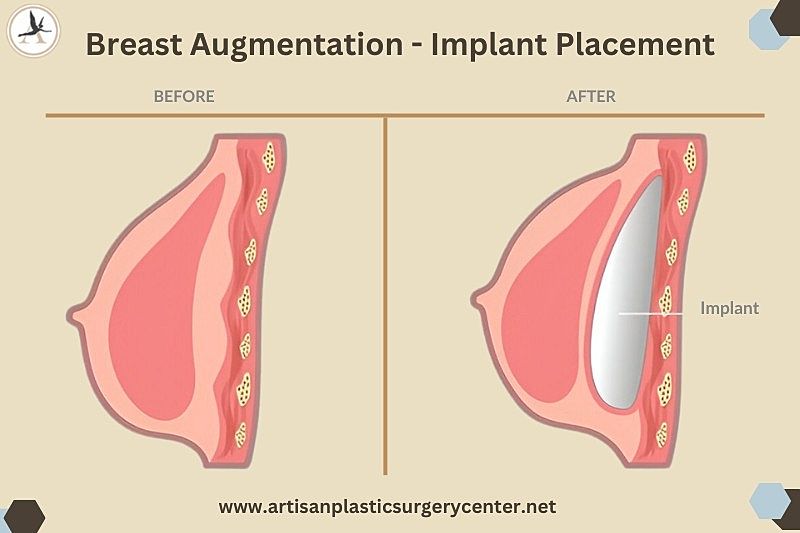
Breast augmentation, also known as augmentation mammoplasty. The breast surgical procedure aims to increase the size, shape, or fullness of the breast using implants or fat transfer.
There are primarily two types of breast implants:
Choosing the right implant size involves discussing your aesthetic goals with your plastic surgeon. There are 4 important factors, such as your body shape, original breast size, lifestyle, and how you want your breasts to look post-surgery are considered.
Saline implants are generally firmer and provide a uniform shape, but can feel less natural compared to silicone implants, which are softer and mimic the feel of natural breast tissue more closely.
In general, breast augmentation takes one to two hours. The surgeons usually performed under general anesthesia.
Yes, the recovery varies by individual, but most patients can return to work within a week. A full recovery, including resuming vigorous exercise, might take six weeks or more.
Certainly, as with any surgery, there are risks. These can include infection, changes in nipple or breast sensation, as well as implant leakage or rupture, and the need for revision surgery.
Breast implants don’t last forever; surgeons need to replace them after 10 to 15 years, either due to complications, cosmetic concerns, or changes in the breasts related to aging.
Many women can breastfeed after breast augmentation, but there are exceptions depending on the type of surgery. Importantly, before the procedure, discuss your nursing or breastfeeding plans with the surgeon.
The cost varies widely depending on the surgeon’s experience, the type of implants, and the geographic location of the surgery. It typically ranges from $5,000 to $10,000 in the USA.
Typically, breast augmentation procedures enhance appearance and are covered by health insurance policies. However, if the surgery is part of breast reconstruction post-mastectomy, it might be covered.
Breast augmentation involves implants or fat transfer to increase the size of the breasts. A breast lift, on the other hand, does not necessarily increase size but rather raises and firms the breasts by removing excess skin and tightening the surrounding tissue.
Breast Lift (Mastopexy) is also a popular procedure, with numbers typically a bit lower than those for augmentation. Recent figures suggest around 100,000 to 150,000 procedures annually.
Preparation typically includes getting a medical evaluation, adjusting current medications. As well as avoiding aspirin and certain anti-inflammatory drugs, and smoking. Your surgeon will provide detailed preoperative instructions.
While there is no typical age, most patients are between 18 and 50 years old. The legal age for silicone implants is 22. Saline implants are available to individuals 18 and older in the USA.
Indeed, breast implants can interfere with the clarity of a mammogram. It’s important to inform the technician about your implants so they can use special techniques to get the best possible images.
Breast augmentation can be a life-changing procedure. However, it’s important to ask yourself the right questions to ensure it’s the right choice for you. By considering your motivations, expectations, and financial readiness, you can make a well-informed decision.
If you are interested in learning more about breast surgery procedures. Then, call us at (813) 971-2000 and schedule an appointment, also visit our extensive range of patient before and after pictures to view results.