Published
10 minute read
Choosing the perfect breast implants isn’t just about getting the size right; there are so many different options that will allow you to customize your breast augmentation results. Dr. Stan Castor, board-certified plastic surgeon in Tampa Bay, Florida, wants every patient to think about breast implant factors to consider before the procedure.
Thinking about breast implants requires considering several key points. Safety is crucial as implants carry risks like infection and rupture. Cost is another factor, as the surgery and future replacements add up. Lifestyle impacts like the ability to exercise or breastfeed must be weighed. Emotional readiness for body changes and potential complications is essential.
Realistic expectations about results are vital, as implants may not meet every desire. Discussing all aspects thoroughly with a qualified surgeon is advisable before making this significant decision. To further ensure the best outcome and satisfaction with your results. Here are key considerations:
Breast implants come in various sizes. The measurement unit for implant size is cubic centimeters. However, the sizing method differs from common perception. In fact, it should be chosen based on your body frame, existing breast tissue, and desired increase in size. Moreover, implants can be round or shaped (anatomical), with each shape providing a different aesthetic result.
On the other hand, the traditional cup size system doesn’t apply to breast implants. Because it’s not very reliable. Thus, don’t get too set on achieving a certain cup size. Focus on how you want your breasts to look instead of thinking about their current shape. You will get to see different options for your body. Gain insights into a comprehensive guide on breast implants’ appearance.
Breast implants revision or exchange exists in two main types. One filled with silicone and the other filled with saline solution. It is crucial to carefully evaluate the advantages and disadvantages of each breast implant type.
These implants contain silicone gel inside. They often possess a texture akin to natural breast tissue. If a leak occurs, the gel may remain within the implant shell, or it could escape into the breast implant pocket. Silicone implants look and feel more natural. However, a rupture will be harder to detect. Most women opted for silicone implants when getting breast enlargement procedures in 2020. The silicone implants accounted for 84% of all breast augmentation surgeries performed that year.
Filled with sterile salt water. If the external covering of the implant gets damaged, a saline implant will lose its shape and become flat. The saline solution inside will get absorbed by the body and naturally expelled. Meanwhile, saline implants have a higher chance of developing wrinkles or ripples on the surface. However, if they leak, they tend to deflate smoothly without major problems.
The device identifies the fundamental dimensions of the implant. Implant projection options are often classified as low, moderate, high, or ultra-high profile. Implants with lower projection usually appear more natural. However, higher projection implants can make breasts look perkier and fuller.
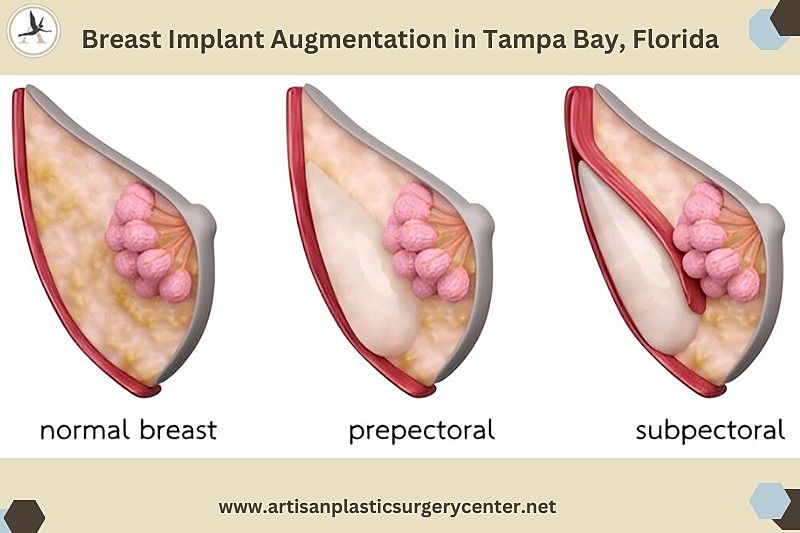
Implants may be positioned beneath the pectoral muscle or directly behind the breast tissue over the pectoral muscle. The former placement is known as submuscular, while the latter is referred to as subglandular. Each placement option has its pros and cons related to the look and feel of the breast, recovery time, and interference with mammograms.
The placement of breast implants, whether above or below the chest muscles, is more significant than the implants themselves. You have the option to choose the positioning of your breast implant, either over or under your pectoral muscles.
Understand your motivations and expectations. Are you seeking breast augmentation for cosmetic reasons, reconstruction after mastectomy, or correction of congenital deformities? Clear goals will help guide the decision-making process.
Implants can be smooth or textured. Textured implants are designed to reduce the risk of a complication known as capsular contracture, though they may have other risks, such as being associated with BIA-ALCL (Breast Implant-Associated Anaplastic Large Cell Lymphoma).
The incision can be made in several locations, including under the breast (inframammary), around the nipple (periareolar), or under the arm (transaxillary). The decision rests on multiple elements like the implant category, the medical professional’s guidance, and individual inclination.
Choose a qualified and experienced plastic surgeon. Check their credentials, reviews, before-and-after photos, and ensure they are board-certified. A good surgeon will help you make the best choices for your body and health.
Be aware of potential risks such as infection, changes in nipple or breast sensation, implant leakage or rupture, and the need for revision surgery. Discuss these thoroughly with your surgeon.
Understand the recovery process and time required. This includes time off work, physical restrictions, and care needed post-surgery.
Consider the psychological aspects of breast augmentation, including body image issues and expectations. Furthermore, consider the financial investment, as cosmetic breast augmentation is typically not covered by insurance. Nonetheless, the costs can include the surgeon’s fee, hospital or surgical facility costs, anesthesia fees, prescriptions for medication, and possibly a fee for implantation.
Recovery was tough the first few days, but staying on top of medication helped a lot. By day 9, I started to feel like myself again. Each day got easier, and my implants continued to settle into place. I couldn’t be happier with my results.
[]The first few days were uncomfortable, but the pain improved quickly. At one week post-op, I could already see my implants dropping into a natural position. By the time I returned to work, I was off pain meds and loving my results. Going with 450cc was the perfect choice—my breasts look fuller, softer, and natural.
[]Factors to consider include your body frame, lifestyle, desired outcome, and surgeon recommendations.
A consultation with a board-certified plastic surgeon can determine if you are physically and mentally prepared for breast implant surgery.
There are saline, silicone, and cohesive gel implants, each with its own benefits and drawbacks.
While breast implants are not considered lifetime devices, they can last anywhere from 10 to 20 years before needing to be replaced.
While breast implants can potentially affect milk production, they do not usually interfere with breastfeeding.
It is recommended to avoid heavy lifting and strenuous activities for a few weeks after surgery to allow for proper healing.
Recovery time varies for each individual, but most patients can return to work and normal activities within a week or two.
Breast implants can make mammograms more challenging to interpret, so it is important to inform your healthcare provider about your implants.
The cost of breast implant surgery varies depending on the surgeon’s fees, hospital fees, and the type of implants chosen.
While rare, some women may experience complications such as capsular contracture, implant rupture, or implant displacement.
Some women may experience changes in breast shape or volume over time, which may require additional surgeries.
After the initial recovery period, most women can resume their normal exercise routines, but it is important to follow your surgeon’s recommendations.
Yes, you can discuss with your surgeon whether you prefer subglandular or submuscular placement of the implants.
Getting breast implants comes with several possible health issues. You might get an infection after surgery. The implant could break or leak over time. You may also feel different sensations in your breasts or lose feeling in certain areas. These are common problems that patients should know about before choosing surgery.
There are other ways to get bigger breasts besides regular implants. One option is fat transfer from another part of your body to your chest. Surgeons can also use special methods that work with your natural tissue to enhance breast size. These choices help women who want a more natural look without silicone or saline implants. In fact, the results often feel more real, and there’s less chance of complications.
Choose implants by balancing material (silicone vs saline), size/profile (width and projection), placement (submuscular vs subglandular), and incision (inframammary, periareolar, transaxillary); tissue characteristics and goals determine the right mix. Tissue-based sizing plus a detailed consult yields natural-looking, durable results.
The breast implants exchange, revision, or removal are not for a lifetime and may require replacement. Considering the long-term need for follow-up surgeries, it’s crucial to have a thorough consultation with a plastic surgeon to discuss all these factors. It will further ensure that you make an informed decision that aligns with your personal goals and health.
Board-certified plastic surgeon Dr. Stan Castor can work with you to select the right breast implants or breast surgery procedure. He has helped countless patients find the perfect implants for their goals, lifestyles, and body types. Call (813) 971-2000 today to schedule your free breast augmentation consultation. Artisan Aesthetics Plastic Surgery provides services to Tampa Bay, along with nearby Florida areas. View our extensive gallery showcasing breast implants revision transformations before and after the procedures.