Published
7 minute read
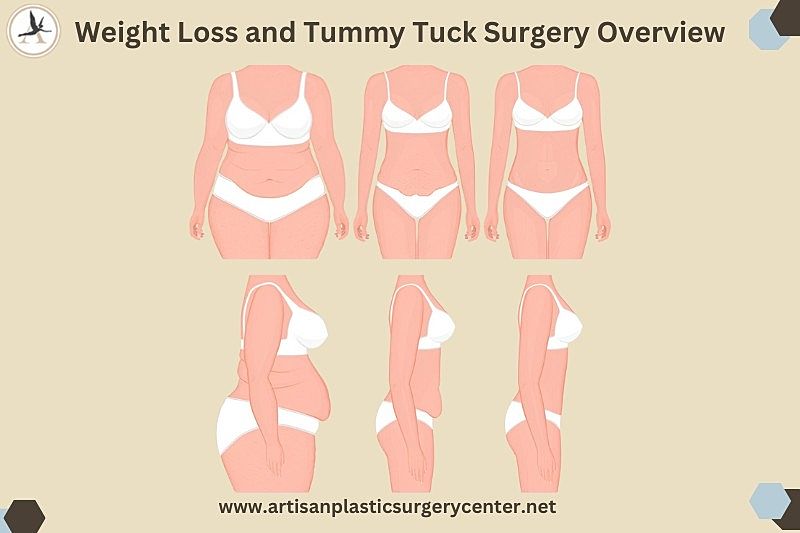
A tummy tuck (abdominoplasty) involves tightening the abdominal muscles, removing extra skin and fat from the belly area. Individuals often have this procedure for aesthetic reasons to enhance their overall looks after significant weight loss. Like all surgeries, tummy tuck post-surgery leaves scars. But there are ways to manage scarring after a tummy tuck.
Effective strategies to manage scarring after a tummy tuck include:
After the tummy tuck, it’s very important to follow the care instructions the surgeon gives you. These instructions will help reduce scarring and promote healing after the surgery. Besides this, the surgeon may have you wear compression garments and recommend that you rest during the recovery period. As well as avoid certain strenuous activities, and attend follow-up appointments.
Maintaining a clean and moisturized incision site is essential. Firstly, gently clean the area as instructed by the surgeon. Then, apply the recommended ointments or creams. Nonetheless, keeping the incision moisturized can prevent the scar from becoming too dry and help it heal more smoothly.
Massaging the scar can boost blood flow and help the tissue heal more smoothly. After the incision has fully closed, usually after a few weeks post-surgery. Then, start gently massaging the area. Use circular motions and apply a mild, non-irritating lotion or oil. Additionally, massaging the scar with a moisturizing lotion or oil can increase blood flow, help break down the dense bands of collagen, and soften the appearance of the scar.
If the scars are particularly bothersome, there are professional treatments available. The surgeon might recommend laser therapy or microneedling. Microdermabrasion or chemical peels. That can significantly reduce scar visibility. Various methods and treatments exist to reduce the visibility of scars gradually. However, discuss these treatments during the follow-up visits to see if any might be right for you. In either case, you can also consult with a dermatologist.
Silicone products are widely recommended for scar treatment. Nevertheless, they hydrate the scar and reduce its appearance by flattening and fading it. Thus, start using silicone sheets or gel. Once the wound has fully healed and your surgeon will give the go-ahead.
1. Avoid Smoking and Limit Alcohol Consumption
Smoking can impair blood flow and delay healing, worsening scarring. Alcohol can also hinder the healing process.
2. Stay Active and Manage Your Weight
Maintaining a stable weight through a healthy lifestyle helps prevent additional strain on the scar area, which can worsen its appearance.
3. Avoid Sun Exposure
Protecting the incision from sun exposure is crucial. Not only can UV rays darken the scar, but also make it more noticeable. Therefore, use a high-SPF sunscreen (SPF 30 or higher) and cover the scar with clothing or bandages when going outside. Especially in the first few months after tummy tuck post-surgery.
1. Be Patient and Monitor Changes
Scars typically take several months to a year to mature and fade. Monitor your scar for any signs of abnormal healing, such as increased redness, swelling, or pain, and report these to your surgeon.
2. Stay Hydrated and Eat Well
Good nutrition and hydration are important for healing. Drink lots of water and eat a balanced diet with plenty of vitamins and minerals to help the body recover. Proper nutrition supports skin health. Foods with vitamins A and C, zinc omega-3 fatty acids can especially promote wound healing and improve skin condition.
Scars from a tummy tuck typically take around 9-12 months to fully heal and fade.
While some scarring is inevitable, following your surgeon’s post-op care instructions can help minimize the appearance of scars.
Yes, there are various over-the-counter products specifically formulated to help reduce the appearance of scars.
Yes, it’s common for scars to initially appear red and raised before gradually flattening and lightening in color.
Your surgeon will provide guidance on when and how often to massage your scars, typically starting a few weeks post-op.
Silicone sheets and gels have been shown to help improve the appearance of scars and are often recommended by plastic surgeons.
A: Some people find success with using natural remedies like aloe vera, vitamin E oil, or coconut oil on their scars.
While scars will never completely disappear, they will fade over time and become less noticeable.
Exposing your scars to the sun can cause them to darken and become more pronounced, so it’s best to keep them covered or use sunscreen.
It’s recommended to wait at least a year after your tummy tuck before considering scar revision surgery.
You should avoid strenuous activities that may put strain on your scars, but light exercise like walking can help with healing.
It’s normal for scars to be sensitive to touch for several months post-op, but this should improve over time.
Smoking can impair the healing process and contribute to poor scar formation, so it’s best to quit smoking before undergoing a tummy tuck.
Contact your surgeon immediately if you notice any signs of infection, such as redness, swelling, warmth, or pus discharge from the scars.
Several treatments can make scars less visible. You can try laser treatments to smooth the skin. Another option is microneedling, which creates tiny holes to help your skin heal better. Doctors can also give steroid shots to flatten raised scars. These methods work well for many people who want their scars to be less noticeable.
The visibility of scars can vary based on different factors. For example, genetics, skin color, and the skill of the surgeon. However, discuss concerns about scarring with the surgeon before the procedure. Not only does it help them to adjust their techniques, but it also recommends additional treatments to help minimize scarring.
If considering a tummy tuck, you’re likely thinking about the amazing results and a smoother, firmer abdominal area. Subsequent scarring happens when the body heals; it’s a regular part of recovery. Henforth, follow the aftercare tips for reducing the appearance of scars so you love every bit of your new midsection.
Interested in learning more about tummy tucks and how to manage scarring, schedule a consultation or call us at (813) 971-2000, and our surgical team will help you get started. Also, browse through the extensive tummy tuck before-and-after gallery to view procedure outcomes.