
Published
11 minute read
Male breast reduction surgery removes excess breast tissue to create a flatter, more defined chest. It’s a common solution for men with gynecomastia who don’t respond to exercise or hormonal treatment. This guide explores male breast reduction causes and treatment options in Tampa, Florida. Including the psychological benefits of male breast reduction mammoplasty (gynecomastia surgery).
Gynecomastia is a condition where males experience enlargement of breast tissue. This issue affects many men and can impact both physical health and self-esteem. Addressing gynecomastia is important for overall well-being. One effective treatment is male breast reduction surgery.
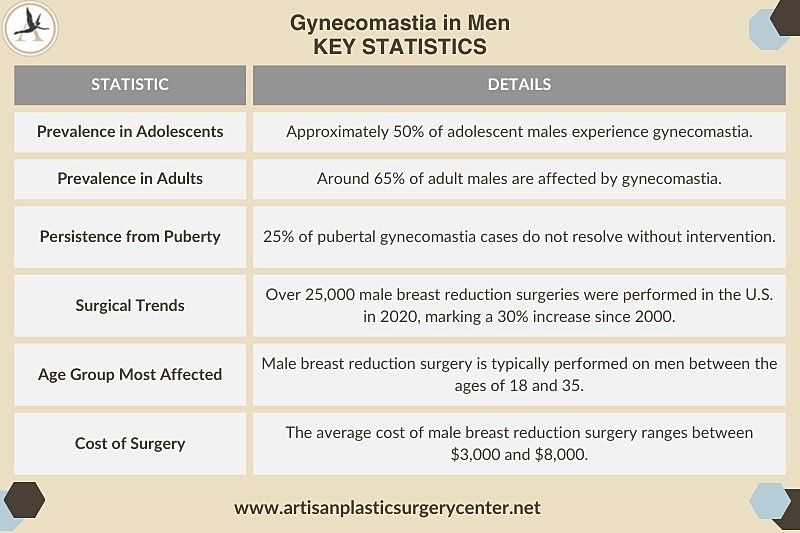
In recent years, there has been more discussion about gynecomastia surgery. Moreover, the condition can cause physical discomfort and emotional distress, impacting self-esteem and quality of life. Although it is often considered a cosmetic issue. But many factors, such as hormonal imbalances, genetics, and lifestyle choices overall, contribute to the condition. Furthermore, as society becomes more accepting of male body image, many men are seeking solutions for gynecomastia. To regain confidence and achieve a more masculine physique.
Studies have found that about 36% of younger adult men and 57% of older men have palpable breast tissue.
To illustrate, gynecomastia involves the growth of glandular breast tissue in males. This isn’t the same as having extra fat due to weight gain. However, several factors can lead to this condition:
Types
To point out, the following types can be offered at different stages of life:
Symptoms
To demonstrate, the common signs include:
Diagnosis
To diagnose gynecomastia, surgeons may:
Men with gynecomastia often face:
Eventually, the condition can lead to:
According to Statista’s report, in 2023, there were 21,043 male breast reduction surgeries in the U.S., making it one of the top procedures for men.
This surgery removes excess breast tissue and fat. For instance:
Sometimes, both methods are combined for the best results.
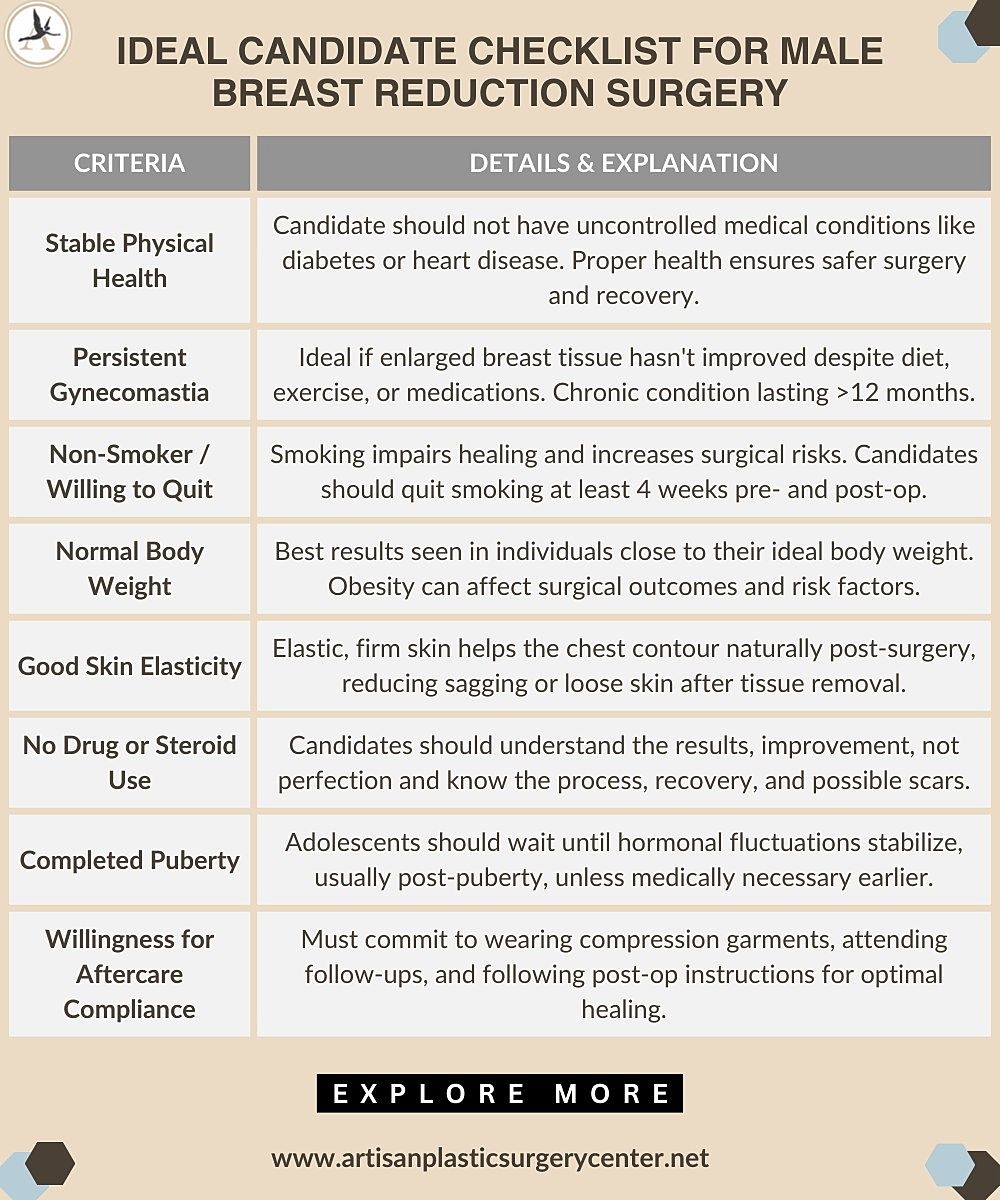
Suitable candidates are:
Unquestionably, maintaining a healthy lifestyle post-surgery is vital to prevent the recurrence of gynecomastia. A balanced diet rich in fruits, vegetables, lean proteins, and whole grains supports overall health and weight management.
Regular exercise, combining cardiovascular activities with strength training, helps maintain a healthy weight and promotes hormonal balance. Furthermore, avoiding substances like alcohol and anabolic steroids is also crucial. Because they can contribute to hormonal imbalances, leading to gynecomastia.
Incorporating certain nutritional supplements can support weight management and overall health:
Before starting any supplement regimen, consult with a healthcare professional to ensure it’s appropriate for your individual health needs. Explore top supplements and multivitamins for men to boost health and vitality.
The cost of male breast reduction surgery varies based on several factors, including the surgeon’s experience, geographic location, and the complexity of the procedure. On average, the cost ranges from $3,000 to over $8,000.
For instance, the American Society of Plastic Surgeons (ASPS) reported an average cost of $5,587 for gynecomastia surgery.
However, this figure may not include additional expenses such as anesthesia, operating room facilities, or other related costs. It’s essential to discuss the total estimated cost with your surgeon during the consultation.
Recovery time can vary depending on the individual and the extent of the surgery. Generally, patients can expect the following timeline:
Adhering to post-operative care instructions, such as wearing compression garments and attending follow-up appointments, can promote a smoother recovery.
As with any surgical procedure, male breast reduction carries potential risks, including:
Discussing these risks with a qualified surgeon can help you make an informed decision and understand the measures taken to minimize complications.
Insurance coverage for gynecomastia surgery varies among providers. Typically, insurers consider the procedure cosmetic and may not cover it. However, if the surgery is deemed medically necessary. Such as in cases causing pain or functional impairments, then the coverage might be possible. Contact us to inquire more about your insurance provider and determine eligibility, and obtain the necessary documentation for coverage.
The American Society of Plastic Surgeons emphasizes that reconstructive surgery to correct gynecomastia should be covered by third-party payers when performed to relieve specific symptoms or deformities related to excessive breast size.
Effective post-surgery care can enhance recovery and results. Recommended products include:
I’ll provide individuals with extensive guidelines during the initial consultation before using any post-operative products. To further ensure they align with their specific recovery plan.
Gynecomastia can be caused by hormonal imbalances, medications, obesity, or other medical conditions.
Most patients return to work within a week, with full activity after 3–4 weeks.
Male breast reduction mammoplasty is a surgical procedure that removes excess breast tissue in men with gynecomastia.
Yes, gynecomastia is a common condition that affects up to 70% of adolescent boys and can also occur in older men.
Scarring is minimal and usually fades over time, depending on the individual’s healing process.
The changes from the procedure usually last forever. If you don’t take care of yourself, the problem might come back.
Non-surgical options include hormone therapy, liposuction, or medication to address hormonal imbalances.
Insurance may cover the cost of surgery if gynecomastia is causing physical symptoms or psychological distress.
Maintaining a healthy weight, avoiding substance abuse, and treating underlying medical conditions can help prevent gynecomastia.
Yes, gynecomastia can hurt self-esteem and body image, leading some men to seek treatment.
Like any surgical procedure, there are risks such as infection, bleeding, or scarring, but these are rare.
Look for a board-certified plastic surgeon with experience in male breast reduction surgery and positive patient reviews.
While exercise and diet can help reduce overall body fat, gynecomastia may require surgery for effective treatment.
During a consultation, the surgeon will assess your condition, discuss treatment options, and answer any questions you may have about the procedure.
Gynecomastia might come back in some cases. This usually happens when doctors haven’t fixed what caused it in the first place. It can also return if someone gains too much weight. While this doesn’t happen often, it’s important to know about these risks.
Surgery is usually the best way to fix true gynecomastia. It works better than other treatments and the results last longer. Doctors recommend this option because it removes the extra breast tissue for good. Other methods might help temporarily, but surgery gives patients the best chance of fixing the problem once and for all.
Undoubtedly, selecting a qualified surgeon is crucial for a successful outcome. Thereupon, the key qualifications include:
Emphatically, preparing questions for your consultation can help assess a surgeon’s expertise. There are several misconceptions and myths about male breast reduction surgery. For instance:
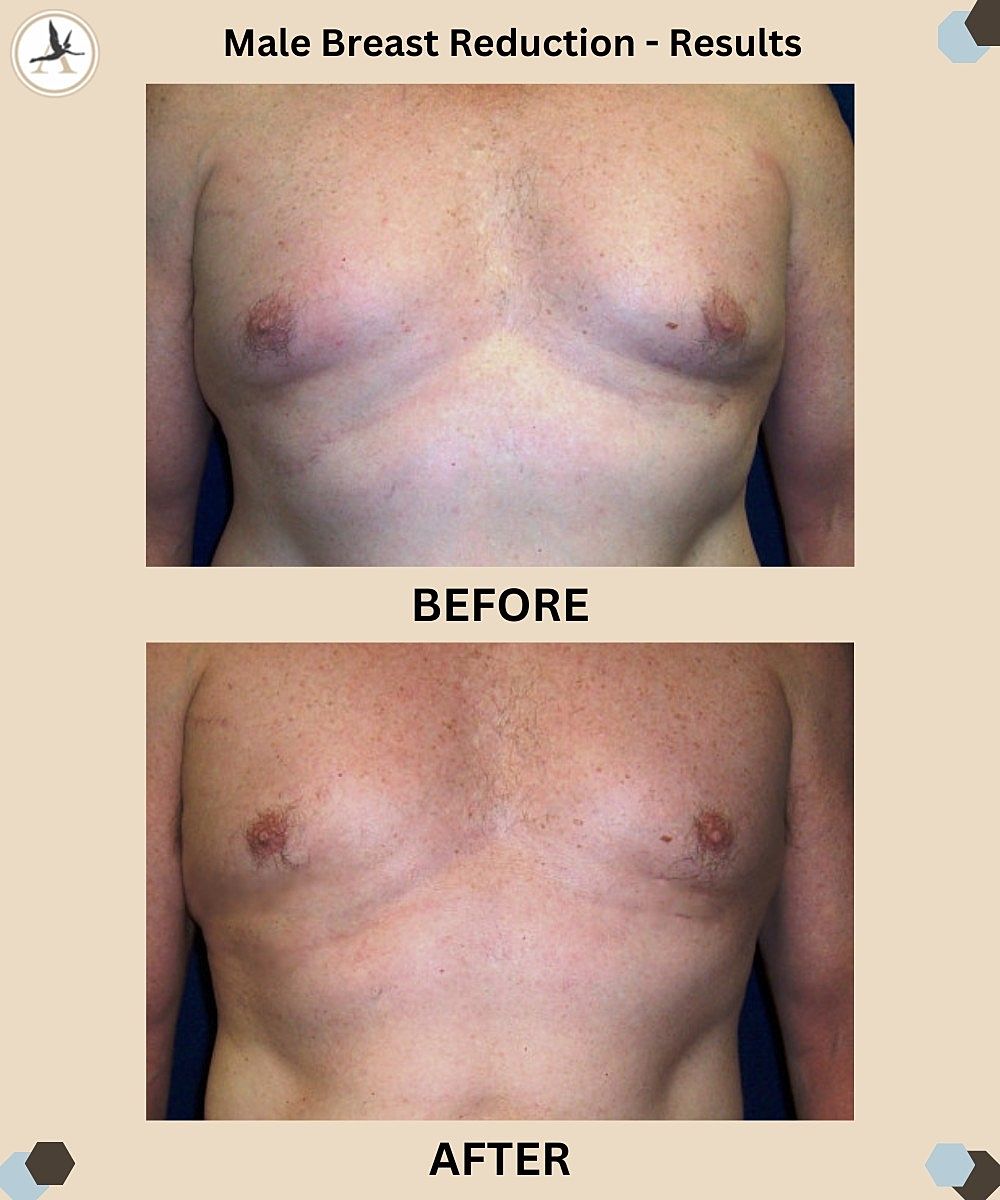
These questions can provide insight into the surgeon’s experience, approach, and patient care standards. Also, check out our male breast reduction (gynecomastia) before and after gallery to understand the procedure outcomes.
If you suspect having gynecomastia or are considering male breast reduction surgery. Then, we encourage scheduling a consultation with Dr. Stan Castor at Artisan Aesthetics Plastic Surgery Center by calling us at (813) 971-2000. His team is dedicated to providing personalized care and has helped many individuals achieve their aesthetic goals.