
Published
7 minute read
Gynecomastia is when individuals have an increased amount of breast gland tissue. Usually caused by unbalanced estrogen and testosterone hormones, though there are other causes. It can affect one or both breasts. Gynecomastia can go away on its own, but if not, some treatments may help, including male breast reduction surgery.
If you are born male, your body makes mostly testosterone. However, it also makes small amounts of estrogen. If the testosterone level drops and the estrogen level does not, you may be at an increased risk of developing gynecomastia. Moreover, some men have pseudogynecomastia, which is an increase in fatty tissue in the breast area instead of glandular tissue. Many things can lower testosterone or increase estrogen. Other than hormonal imbalances, factors that could cause gynecomastia include:
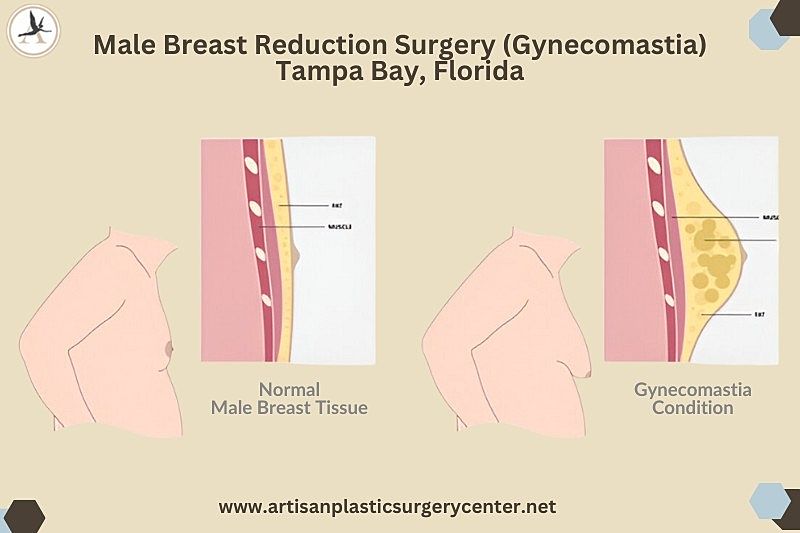
If your enlarged male breast tissue affects your daily life, you may be a good candidate for male breast reduction surgery. As long as you are in good health and a non-smoker or are willing to give up smoking, have good skin elasticity, and are at a healthy weight, you are a potential candidate. Certain health conditions, such as hypogonadism, aging, tumors, hyperthyroidism, kidney failure, liver failure, and malnutrition, can cause gynecomastia.
If you are considering this surgery, it’s important to determine whether you are a good candidate. Here are some factors to consider:
Gynecomastia can be caused by hormonal imbalances, obesity, the use of certain medications, or other underlying health conditions. A thorough medical evaluation is necessary to determine the cause of gynecomastia. Surgery is typically recommended only after other causes have been ruled out or adequately treated.
Candidates should be at or near their ideal body weight. Weight stability is essential because significant weight fluctuations can affect the results of the surgery.
In general, ideal candidates for male surgery are those who are in good physical health. Particularly without serious illnesses or medical conditions that could impair healing or increase surgery risks.
There is no specific age requirement; however, it is recommended that young patients wait until their bodies have fully developed. This typically occurs in late adolescence.
Understanding the realistic outcomes of the surgery is important. A good candidate should have a positive outlook and specific goals in mind for improving the physical symptoms of gynecomastia.
Smoking can significantly impair healing and increase the risk of complications during and after male surgery. Non-smokers or those who can quit smoking well in advance of the surgery are generally better candidates.
The surgery has limits on what it can accomplish. Knowing these boundaries is extremely important. Male breast reduction surgery can help achieve a more masculine chest contour, but it is important to have realistic expectations about the results.
The condition should be persistent, typically lasting more than two years or not resolving with other treatments such as medication or weight loss.
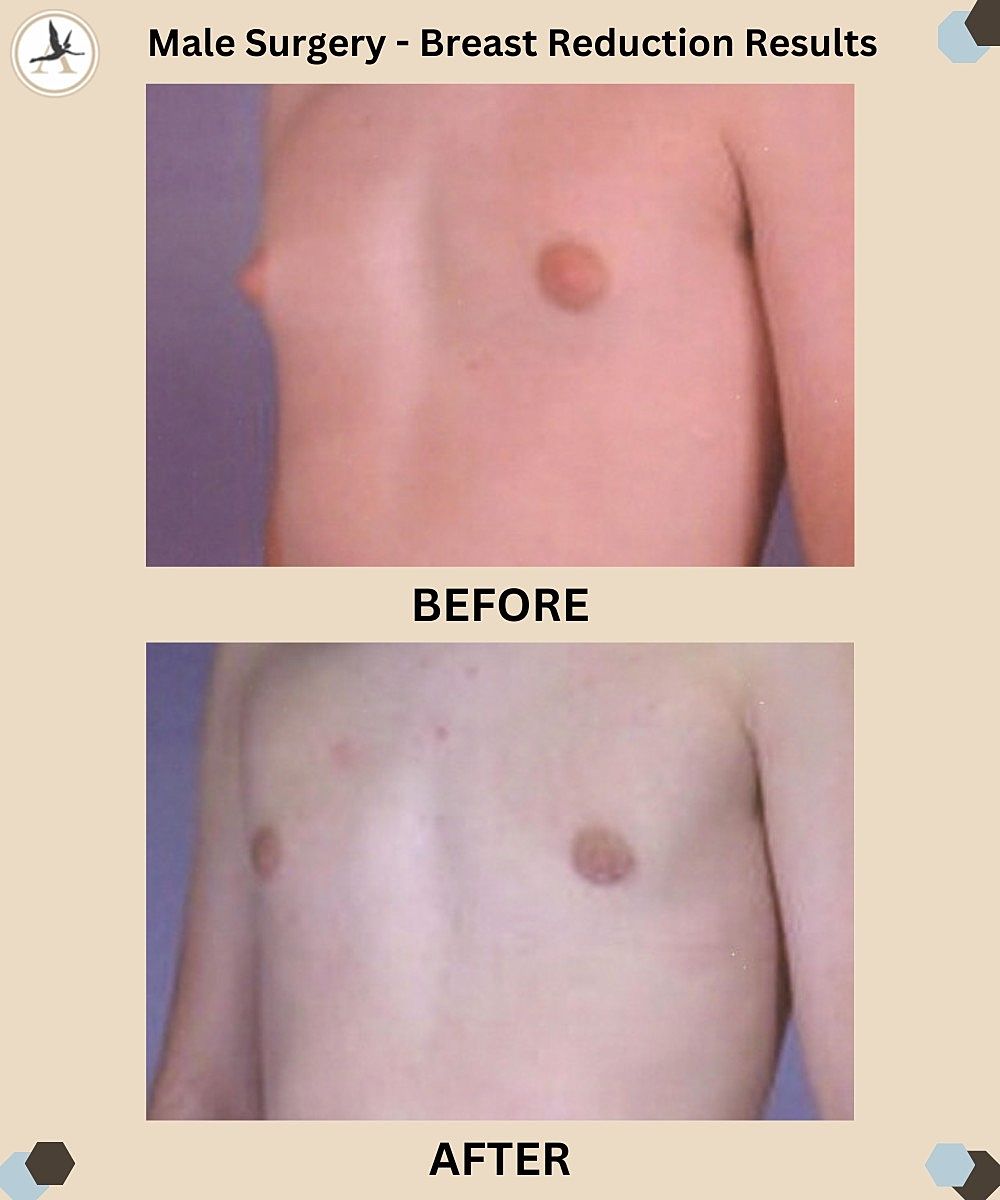
Check out our before-and-after photo gallery to see the procedure’s results.
Male breast reduction surgery, also known as gynecomastia surgery, is a procedure to reduce breast size in men who have excess glandular tissue or fat.
You may be a good candidate if you have enlarged breasts that are causing physical or emotional discomfort.
Gynecomastia is characterized by the presence of excess breast tissue in men, often resulting in a feminine appearance.
In some cases, weight loss may help reduce the size of male breasts, but surgery is often necessary for a significant reduction.
Risks include infection, scarring, changes in sensation, and hematoma (blood clot) formation.
Recovery typically takes 1-2 weeks, with full results visible after 6 months.
It depends on your insurance plan and the reason for the surgery. Some plans may cover it if it is deemed medically necessary.
You may need to avoid strenuous exercise for a few weeks following surgery, but you can gradually resume physical activity as you heal.
Scarring is minimal and usually fades over time, but it will vary depending on the type of surgery and your body’s healing process.
In most cases, male breast tissue does not grow back after surgery. However, weight gain or hormonal changes can cause a recurrence.
The results of male breast reduction surgery are typically long-lasting. But maintaining a healthy lifestyle is important for optimal results.
A compression garment may be recommended to help reduce swelling and support the healing process.
Some temporary changes in sensation may occur, but most patients experience the return of normal sensation over time.
Your surgeon will provide specific instructions for pre-surgery preparation, which may include avoiding certain medications and fasting before the procedure.
Male breast reduction surgery prices change based on where you live and which surgeon you choose. The total cost depends on what type of surgery you need and how complex it is. Different surgeons charge different rates, and hospitals in big cities often cost more than those in smaller towns. You should also think about extra fees like anesthesia and follow-up visits when planning for this surgery.
If you believe you might be a candidate for male breast reduction surgery, the next step is to consult with Dr. Castor. He can provide a detailed assessment and discuss potential treatment options tailored to your specific condition.
If you would like to see if gynecomastia surgery is right for you, contact our experts at Artisan Aesthetics Plastic Surgery. Our team has extensive experience helping patients in Tampa and the surrounding areas in Florida achieve favorable results through both surgical and non-surgical treatment options.
Our board-certified plastic surgeon, Dr. Stan Castor, can meet with you to discuss your needs and to determine the best course of action to help you achieve the best possible results. Contact our office today at (813) 971-2000 to schedule or book your appointment.